
Windshield Repair vs Replacement: How to Know Which You Need

Is It Safe to Drive With a Cracked Windshield
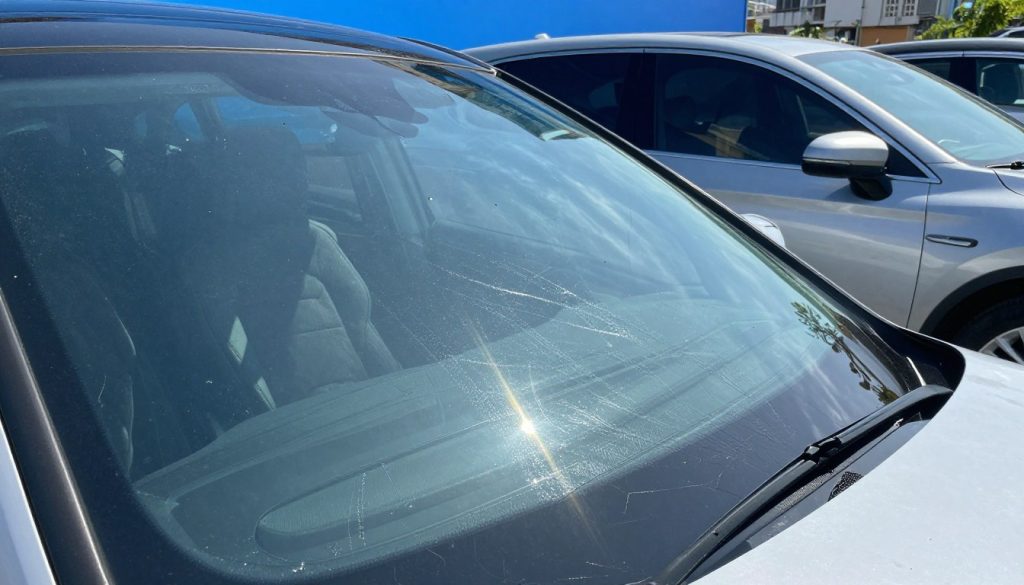
Have you wondered why your view fades or cabin comfort drops even when you park in the shade?
The slant of your windshield lets direct sun into the cabin, so rays hit more glass and the interior ages faster. Over months and years you may notice visibility changes, fading trim, and hotter drives. This buyer’s guide helps you understand how sun and rays cause gradual damage and how to compare today’s practical windshield UV protection options.
We’ll explain the difference between nearly clear window film that blocks nearly 99% of UV and exterior protection film that shields against road debris while keeping optical clarity.
You’ll get real-world guidance for daily commuting, long highway miles, hot summers, and winter glare. We’ll evaluate optical clarity, UV blocking, scratch and impact resistance, visibility in bad weather, warranty, legality, and installation quality.
When you want local expertise to protect or repair your vehicle glass, trust a pro like Miracle Auto Glass — and consider hiring them to fix your windshield or other glass damage.
Key Takeaways
- Direct sun and angled glass increase long‑term damage risk to your car’s glass.
- Nearly clear window films block most UV without a dark look; exterior film adds physical defense.
- Watch for slow signs: visibility loss, interior wear, and comfort changes.
- Compare clarity, blocking, scratch/impact resistance, warranty, and legality.
- Making a preventive choice saves on costly modern glass replacements later.
- For professional installation or repairs, contact Miracle Auto Glass.
Why UV Rays Are a Real Threat to Your Windshield and Vehicle Glass
A steeply raked front glass can act like a lens, pushing strong sunlight deep into your cabin.
How sunlight enters:
The angled glass in front of you funnels light toward the driver and front passenger. That focused beam reaches your eyes, skin, and dash even when side windows seem shaded.
What long-term wear looks like
Over time you may see seals dry, trim crack, and color fade where the sun hits most. These effects hurt the look and function of interior materials and nearby surfaces.
Glare, eye strain, and driving impact
Scattered light from bright angles and reflective roads increases glare and eye fatigue. When you squint or look away, reaction time and comfort suffer on long drives.
- Sunlight funnel: angled glass channels more energy toward the front cabin.
- Year‑round risk: strong rays occur in all seasons and at altitude.
- Visible damage: fading, dried seals, and stressed trim appear first.
Next step: consider both filtering for comfort and a durable shield against chips, since each approach targets different needs.
What UV Damage Means for Your Safety, Visibility, and Driving Comfort
Bright sunlight can wash out your view in seconds, turning a clear road into a glare-filled hazard.
Glare reduction for a clearer view of the road
Glare is more than an annoyance. It lowers visibility and hides lane markings, pedestrians, and other vehicles when you move from shade into bright sun.
That sudden loss of contrast directly affects safety. Reducing glare helps you spot small hazards sooner and keeps drivers confident in bright conditions.
Heat buildup and cabin comfort
Your parked vehicle acts like a greenhouse under the sun. Interior temperatures rise fast, which forces higher A/C use and longer cooldown times.
This extra heat makes trips uncomfortable and tires passengers, especially children in back seats. Less comfort means more distraction and more fatigue for you on long drives.
- Eye fatigue: constant squinting wears you down on commutes and long trips.
- Daily cost: more A/C means higher fuel or battery use and slower comfort recovery.
- Comfort → safety: when you’re cooler and less tired, you drive better.
| Issue | How it affects you | What film types address |
|---|---|---|
| Glare | Reduces contrast and hides hazards | Anti-glare/low-reflective films |
| Heat | Raises cabin temps, increases A/C use | Solar films that lower heat gain |
| Eye fatigue | Makes long drives more tiring | High visible light transmission films |
Next: different film options balance glare, heat, and glass defense in different ways—so choose based on how you drive and who rides with you.
Windshield UV protection Options You Can Buy Today
Modern film options let you choose whether to block rays, stop chips, or do both without changing how your view looks.
Exterior-applied, optically clear protection film
Protection film applied to the outside surface acts as a sacrificial layer. It stays clear while resisting rock chips, wiper wear, and small abrasions.
Nearly clear window film and solar tint
Nearly clear interior film and high-VLT tint focus on filtering harmful light while keeping a lighter appearance than dark tint. Some products claim up to 99.9% blocking.
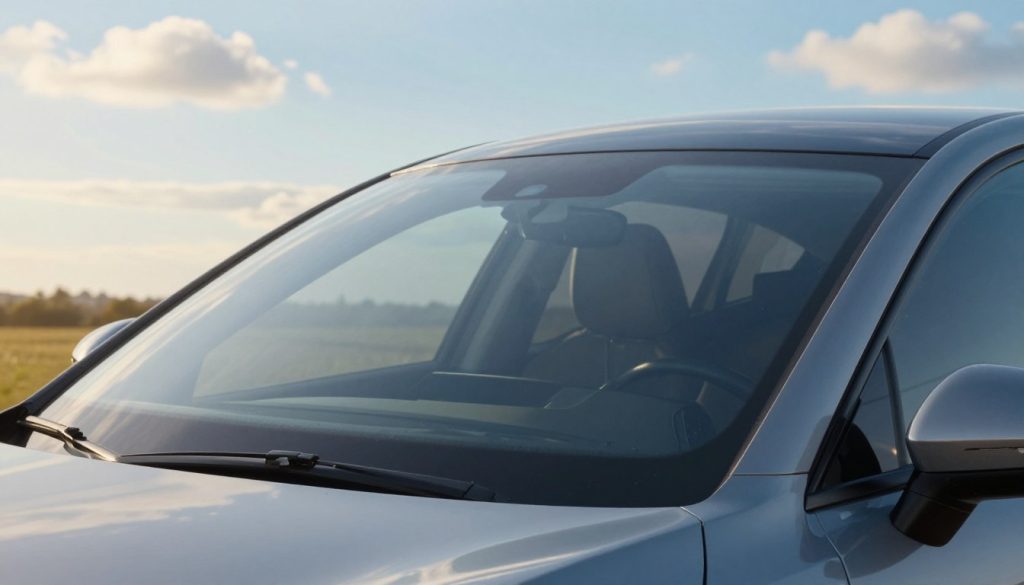
When to combine options
For many drivers you get the best results by pairing an exterior protection film on the front glass with window tint on side and rear windows. That gives both physical defense and reduced passenger exposure.
- Match to need: choose filtration if you worry about sun exposure; choose exterior film if chips and scratches are your main concern.
- Buyer factors: consider climate, highway miles, outdoor parking, and whether you prefer a nearly clear look or darker tint.
- Quality matters: premium products and professional installation reduce distortion, haze, and early failure.
| Product Type | Main Benefit | Best Use |
|---|---|---|
| Exterior protection film | Impact and scratch resistance | Highway drivers, gravel roads |
| Nearly clear window film | High UV filtering, light look | Parked vehicles, family cars |
| Combined approach | Physical + filtering | Full‑vehicle defense and comfort |
Windshield Protection Film: What It Is and What It Protects Against
A clear, exterior film acts as a first line of defense for your front view. It is a thin, optically clear layer applied to the outside of your windshield glass to take the abuse your glass would otherwise absorb.
Impact resistance for chips and pitting
Film reduces direct damage from rocks and gravel. The layer absorbs and spreads impact energy, which helps prevent chips, cracks, and surface pitting from everyday debris.
Scratch resistance from wipers and wear
A durable top coat resists micro‑scratches from wipers and routine abrasions. That resistance keeps clarity high and slows the haze that develops over time.
Better visibility in wet and wintry weather
Because the surface is smoother, water and snow run off faster. You keep a clearer field of view during rain or light sleet. Frost also lifts more easily, though you should still use care with scrapers to avoid damaging the film.
Added safety in collisions
In crashes the film helps hold broken glass fragments in place. That added safety reduces flying shards and can protect you and passengers in the event of a break.
- High optical clarity is essential: choose products that do not distort your view.
- Longevity varies: harsh salt, gravel, and heavy highway use affect life span—check warranties and care guidance.
| Benefit | What it helps prevent | Buyer note |
|---|---|---|
| Impact resistance | Chips, pitting | Best for high‑mile highways |
| Scratch resistance | Wiper haze | Choose durable top coat |
| Weather visibility | Rain, snow, frost | Smoother surface = faster runoff |
UV Window Film and Tint: Benefits Beyond the Windshield
A side and rear window strategy helps you manage sun where it matters most for daily driving.
Extend coverage: film and tint apply to the windows that light your cabin at morning and evening angles. They reduce glare and help block up to 99–99.9% of harmful rays, which can protect your passengers and cut long-term exposure.
Nearly clear film lets you keep high visible light transmission while still blocking most radiation. Darker tint offers more shading but isn’t the only way to block damaging light.
Vehicle interior preservation: consistent blocking helps slow fading and cracking in leather, vinyl, and trim. That keeps your vehicle interior looking newer and can reduce replacement or repair costs.
Heat and comfort: some films advertise heat rejection that lowers cabin peak temps. That can ease A/C load, shorten cool‑down times, and make rides more comfortable on hot days.
Compare specs—UV rejection, VLT, and heat rejection—and choose reputable film brands rather than the cheapest option.
| Feature | What it does | When to choose |
|---|---|---|
| High‑block film (nearly clear) | Blocks ~99–99.9% radiation, keeps clarity | Family cars, daytime city driving |
| Dark tint | Reduces glare and visible brightness | Drivers wanting added shading and privacy |
| Heat‑rejecting film | Lowers cabin temperature and A/C use | Hot climates, long parked periods |
Cost, Value, and Resale: How Protection Can Pay Off Over Time
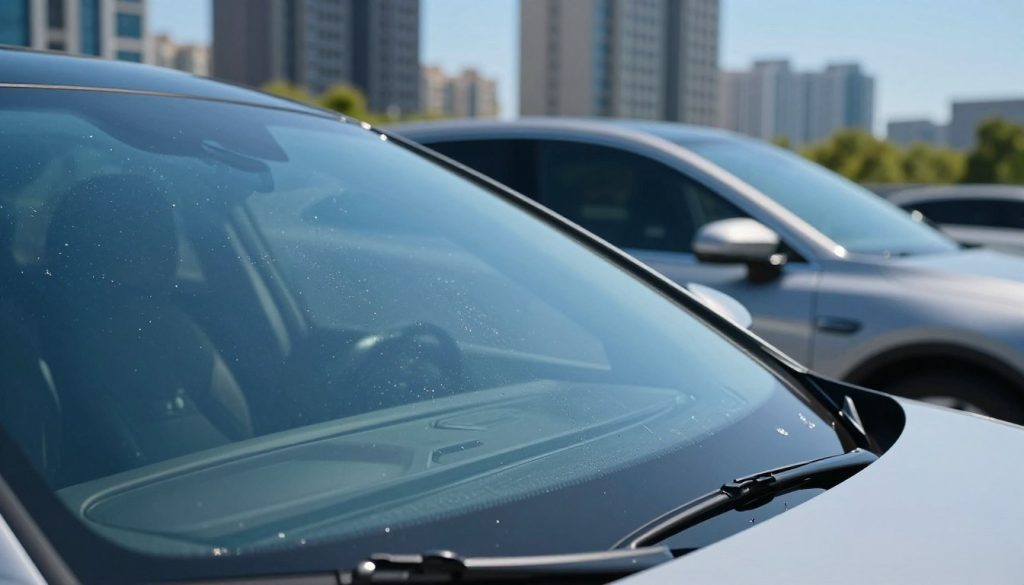
When rocks strike on highways, the right film can mean the difference between a quick fix and a costly replacement.
Lower repair frequency, lower long‑term cost
Films reduce chip and crack frequency. By taking the brunt of impacts, they make a glass break far less likely and cut repeat repair trips.
Why modern glass replacements are pricier
Many newer vehicles include ADAS sensors. Replacing that glass often costs about $1,500 and may require recalibration.
Value when you sell or trade
A clearer interior and well‑kept glass signal good care. That can boost resale value and make trades smoother.
| Factor | Typical cost or benefit | Who gains most |
|---|---|---|
| Film investment | $200–$800 depending on product and install | Commuters, family vehicles |
| Average replacement | ~$1,500 for ADAS‑equipped replacements | Owners of modern cars with sensors |
| Resale advantage | Higher perceived care, fewer interior repairs | Private sellers, trade‑ins |
- Choose quality: clear warranties and proven durability protect your investment.
- Real ROI: highway drivers, gravel roads, and fleets see the fastest payoff.
Choosing the Right Product for Your Vehicle and Your Driving Conditions
Start by matching the product to how and where you drive most each week.
Decision framework: list your typical miles and road types first — highway speeds, gravel or salt roads, or urban stop‑and‑go. That simple step guides whether a durable exterior layer or a high‑filter interior film fits best.
Best fits by driving style
Commuters and highway drivers should favor windshield protection film for impact resistance at speed.
Harsh elements like salt, sand, and gravel call for heavy‑duty coatings and clear warranty terms.
Who benefits most
Family SUVs gain comfort and longevity. RVs and off‑road vehicles need film for large, flat glass that’s costly to replace. Fleets value less downtime and consistent repair savings.
What to look for
- Optical clarity and low distortion.
- Durable, scratch‑resistant coatings.
- Clear warranty against yellowing, peeling, and cracking.
- Installer experience with ADAS sensors and camera fitment.
| Need | Recommended product | Why it matters |
|---|---|---|
| High‑speed highway | Windshield protection film | Reduces chips and costly replacements |
| Salt/gravel roads | Heavy‑duty exterior film | Resists abrasion and chemical wear |
| Interior comfort | High‑block window film | Lowers glare and heat for passengers |
| ADAS‑equipped vehicles | Optically clear, low‑distortion film | Preserves sensor accuracy and resale value |
For more on how sun affects your windshield over time, see how sun affects your windshield.
Installation, Legality, and Care Tips for Long-Lasting Results
A flawless install makes the difference between a nearly invisible film and one that bubbles, peels, or distorts your view.
Why professional fit matters
Pros get the fit right: technicians measure precisely, thermally form film to match glass curves, and install in near‑dust conditions. That reduces distortion and early edge failure.
Skilled finishing hides seams and keeps optical clarity high. Many reputable films carry warranties against bubbling, peeling, cracking, and yellowing when installed professionally.
Legal limits and practical rules
State tint laws vary. Most states limit how dark you can tint front side windows and usually allow only a top strip to the AS1 line on the windshield. Check your state rules before you tint, especially if you travel across state lines.
Care basics to extend life
- Use non‑abrasive cleaners and soft microfiber cloths.
- Replace worn wiper blades to avoid dragging grit across the barrier.
- For ice, use a smooth, new scraper and gentle technique to protect the film surface.
| Action | Why it matters | Result |
|---|---|---|
| Professional installation | Correct shaping and adhesive handling | Low distortion and longer life |
| Gentle cleaning | Prevents micro‑scratches | Clear view and preserved finish |
| Wiper care | Removes grit that abrades film | Fewer edge failures and scrapes |
Conclusion
Long-term exposure to strong daylight changes how your view and interior age, even if effects appear subtle at first.
Key takeaway: sun on angled glass is a real wear factor. Choosing the right approach improves comfort, supports safety, and slows interior fading. If blocking sunlight and cabin exposure is your priority, choose high‑block window film. If chip and scratch defense matters most, choose an exterior layer like windshield protection film.
Good products keep optical clarity so your visibility and view stay uncompromised. Less glare, fewer surprises, and a cleaner windshield glass mean lower long‑term cost — especially when modern ADAS‑equipped replacements can run around $1,500.
If you have a chip, crack, leak, or want advice on the best protection path, hire Miracle Auto Glass to fix your windshield or other glass damage.
FAQ
How do sun rays damage your car’s glass over time?
How does angled sunlight enter through slanted windshields and affect your interior?
What does “damage over time” look like for glass, seals, and surrounding surfaces?
Why does glare and eye fatigue get worse without a barrier?
How does reducing glare improve safety and visibility?
How does sunlight contribute to heat buildup and affect interior comfort?
What options can you buy today to block harmful rays and protect glass?
What is an exterior-applied protection film and how does it work?
Can you get UV blocking without a dark appearance?
When should you combine windshield film with tint on side windows?
How does protection film help prevent chips, cracks, and pitting?
Does film resist scratches from wipers and everyday use?
Do protective films improve visibility in rain, snow, or frost?
Can a film help in collisions by keeping shattered glass together?
How effective are window films at blocking harmful rays for passengers?
Will films protect my interior from fading and cracking?
Do heat-reduction claims affect air conditioning use and ride comfort?
How do films reduce repair and replacement costs over time?
Are replacements more expensive on vehicles with ADAS systems?
FAQ
How do sun rays damage your car’s glass over time?
Prolonged exposure to sunlight causes slow deterioration of automotive glass and surrounding seals. High-energy rays break down polymers in sealants, weaken adhesives, and can cause microscopic pitting and surface haze on the glass. Over years this reduces clarity, increases glare, and makes chips and cracks more likely.
How does angled sunlight enter through slanted windshields and affect your interior?
A sloped windshield lets more direct rays reach the cabin, increasing light and heat on dash surfaces, upholstery, and electronics. That concentrated exposure accelerates fading, drying, and cracking of leather and vinyl while raising cabin temperature and driver discomfort.
What does “damage over time” look like for glass, seals, and surrounding surfaces?
Look for surface dulling, tiny pits, brittle or shrunk rubber seals, and faded dash and trim. Seals may leak, glass can form stress lines, and interior fabrics show uneven bleaching. These signs often start subtly and worsen if no barrier is applied.
Why does glare and eye fatigue get worse without a barrier?
Unfiltered sunlight increases contrast and sudden brightness, which forces your eyes to constantly adapt. That leads to faster eye strain, reduced reaction times, and more difficulty seeing road hazards in bright or reflective conditions.
How does reducing glare improve safety and visibility?
Cutting glare gives you a steadier, clearer view of the road and surrounding traffic. Reduced glare means fewer visual distractions, quicker hazard recognition, and safer lane changes and braking in high-sun situations.
How does sunlight contribute to heat buildup and affect interior comfort?
Sunlight increases cabin temperature quickly, especially in parked vehicles. Higher interior heat causes discomfort, forces heavier A/C use, and speeds wear on plastics and upholstery. Reducing radiant heat helps you stay cooler and can lower fuel or battery use for climate control.
What options can you buy today to block harmful rays and protect glass?
You can choose exterior-applied protective film that creates an optically clear shield, nearly clear window film that blocks rays without darkening, or traditional solar tint for side and rear windows. Many owners combine films for windshield and windows to balance clarity with blocking power.
What is an exterior-applied protection film and how does it work?
This thin, optically clear layer adheres to the outside of your glass. It absorbs or reflects high-energy radiation and resists abrasion from road debris. The film helps prevent chips, limits pitting, and preserves optical clarity over time.
Can you get UV blocking without a dark appearance?
Yes. Nearly clear window films are engineered to filter harmful rays while remaining almost invisible. They provide sun safety and interior preservation without changing the look of your vehicle or reducing forward visibility.
When should you combine windshield film with tint on side windows?
Combine them when you want maximum cabin comfort and comprehensive interior protection. Windshield film preserves forward visibility and impact resistance, while side tints reduce side glare, heat, and passenger exposure—useful for families and long-distance drivers.
How does protection film help prevent chips, cracks, and pitting?
Impact-resistant films absorb and disperse the energy from small rocks and debris, reducing the force transmitted to the glass. That lowers the chance of chips, stops small cracks from propagating, and minimizes surface pitting that clouds your view.
Does film resist scratches from wipers and everyday use?
Many films include scratch-resistant coatings that stand up to wiper blades, car washes, and light abrasions. Properly installed film reduces visible wear and helps the glass maintain a smooth, clear surface longer.
Do protective films improve visibility in rain, snow, or frost?
Smooth film surfaces encourage water runoff and reduce ice adhesion, which can help you clear the windshield faster. That can improve visibility during precipitation and speed defrosting in cold weather.
Can a film help in collisions by keeping shattered glass together?
Yes. A strong adhesive layer can hold broken glass shards in place, reducing the risk of flying fragments and helping passengers stay safer until you’re able to stop and get assistance.
How effective are window films at blocking harmful rays for passengers?
Quality films block a high percentage of harmful radiation—many rated up to 99% or more—reducing long-term exposure for occupants and protecting skin and eyes during commutes and long trips.
Will films protect my interior from fading and cracking?
Films reduce the amount of damaging radiation and heat that reach interior surfaces, which slows color fading, drying, and cracking of leather, vinyl, fabrics, and trim. That preservation helps maintain comfort and resale appeal.
Do heat-reduction claims affect air conditioning use and ride comfort?
Yes. Films that reduce radiant heat lower cabin temperatures, so your A/C doesn’t have to work as hard. That improves immediate comfort and can slightly reduce fuel or battery load during cooling.
How do films reduce repair and replacement costs over time?
By preventing chips, limiting cracks, and protecting seals and interiors, films reduce the frequency of costly glass repairs and interior restorations. Over several years, those savings can offset the initial installation cost.
Are replacements more expensive on vehicles with ADAS systems?
Yes. Modern vehicles with advanced driver-assistance systems require precise sensor and camera alignment. Windshield replacements for ADAS-equipped cars often cost much more—sometimes averaging around
FAQ
How do sun rays damage your car’s glass over time?
Prolonged exposure to sunlight causes slow deterioration of automotive glass and surrounding seals. High-energy rays break down polymers in sealants, weaken adhesives, and can cause microscopic pitting and surface haze on the glass. Over years this reduces clarity, increases glare, and makes chips and cracks more likely.
How does angled sunlight enter through slanted windshields and affect your interior?
A sloped windshield lets more direct rays reach the cabin, increasing light and heat on dash surfaces, upholstery, and electronics. That concentrated exposure accelerates fading, drying, and cracking of leather and vinyl while raising cabin temperature and driver discomfort.
What does “damage over time” look like for glass, seals, and surrounding surfaces?
Look for surface dulling, tiny pits, brittle or shrunk rubber seals, and faded dash and trim. Seals may leak, glass can form stress lines, and interior fabrics show uneven bleaching. These signs often start subtly and worsen if no barrier is applied.
Why does glare and eye fatigue get worse without a barrier?
Unfiltered sunlight increases contrast and sudden brightness, which forces your eyes to constantly adapt. That leads to faster eye strain, reduced reaction times, and more difficulty seeing road hazards in bright or reflective conditions.
How does reducing glare improve safety and visibility?
Cutting glare gives you a steadier, clearer view of the road and surrounding traffic. Reduced glare means fewer visual distractions, quicker hazard recognition, and safer lane changes and braking in high-sun situations.
How does sunlight contribute to heat buildup and affect interior comfort?
Sunlight increases cabin temperature quickly, especially in parked vehicles. Higher interior heat causes discomfort, forces heavier A/C use, and speeds wear on plastics and upholstery. Reducing radiant heat helps you stay cooler and can lower fuel or battery use for climate control.
What options can you buy today to block harmful rays and protect glass?
You can choose exterior-applied protective film that creates an optically clear shield, nearly clear window film that blocks rays without darkening, or traditional solar tint for side and rear windows. Many owners combine films for windshield and windows to balance clarity with blocking power.
What is an exterior-applied protection film and how does it work?
This thin, optically clear layer adheres to the outside of your glass. It absorbs or reflects high-energy radiation and resists abrasion from road debris. The film helps prevent chips, limits pitting, and preserves optical clarity over time.
Can you get UV blocking without a dark appearance?
Yes. Nearly clear window films are engineered to filter harmful rays while remaining almost invisible. They provide sun safety and interior preservation without changing the look of your vehicle or reducing forward visibility.
When should you combine windshield film with tint on side windows?
Combine them when you want maximum cabin comfort and comprehensive interior protection. Windshield film preserves forward visibility and impact resistance, while side tints reduce side glare, heat, and passenger exposure—useful for families and long-distance drivers.
How does protection film help prevent chips, cracks, and pitting?
Impact-resistant films absorb and disperse the energy from small rocks and debris, reducing the force transmitted to the glass. That lowers the chance of chips, stops small cracks from propagating, and minimizes surface pitting that clouds your view.
Does film resist scratches from wipers and everyday use?
Many films include scratch-resistant coatings that stand up to wiper blades, car washes, and light abrasions. Properly installed film reduces visible wear and helps the glass maintain a smooth, clear surface longer.
Do protective films improve visibility in rain, snow, or frost?
Smooth film surfaces encourage water runoff and reduce ice adhesion, which can help you clear the windshield faster. That can improve visibility during precipitation and speed defrosting in cold weather.
Can a film help in collisions by keeping shattered glass together?
Yes. A strong adhesive layer can hold broken glass shards in place, reducing the risk of flying fragments and helping passengers stay safer until you’re able to stop and get assistance.
How effective are window films at blocking harmful rays for passengers?
Quality films block a high percentage of harmful radiation—many rated up to 99% or more—reducing long-term exposure for occupants and protecting skin and eyes during commutes and long trips.
Will films protect my interior from fading and cracking?
Films reduce the amount of damaging radiation and heat that reach interior surfaces, which slows color fading, drying, and cracking of leather, vinyl, fabrics, and trim. That preservation helps maintain comfort and resale appeal.
Do heat-reduction claims affect air conditioning use and ride comfort?
Yes. Films that reduce radiant heat lower cabin temperatures, so your A/C doesn’t have to work as hard. That improves immediate comfort and can slightly reduce fuel or battery load during cooling.
How do films reduce repair and replacement costs over time?
By preventing chips, limiting cracks, and protecting seals and interiors, films reduce the frequency of costly glass repairs and interior restorations. Over several years, those savings can offset the initial installation cost.
Are replacements more expensive on vehicles with ADAS systems?
Yes. Modern vehicles with advanced driver-assistance systems require precise sensor and camera alignment. Windshield replacements for ADAS-equipped cars often cost much more—sometimes averaging around $1,500—so preserving the glass matters financially and functionally.
How can a protected interior and clearer glass affect resale value?
A vehicle with well-preserved upholstery, trim, and clear glass shows better overall condition and can command a higher price on resale. Buyers notice fewer sun-damaged areas and clearer windshields when assessing value.
Which films are best for commuters, highway drivers, and rough-road users?
Commuters benefit from films that cut glare and heat. Highway drivers should favor impact-resistant, optically clear films that defend against kicked-up debris. Drivers on gravel or salted roads need durable coatings and strong adhesion to resist chips and corrosion.
Who benefits most from applying protective and tint films?
Families, drivers of SUVs and RVs with large glass areas, off-road vehicles, and fleet operators gain the most. These groups face frequent sun exposure, long drives, or harsher road conditions that accelerate wear without a barrier.
What key features should you look for when choosing film?
Prioritize optical clarity, durable scratch and impact coatings, high-ray blocking performance, and a reputable warranty. Also check for compliance with local regulations and proven installation quality.
Why does professional installation matter?
Professional fitters ensure correct alignment, prevent bubbling and lifting, and maintain optical quality. They also trim around sensors and wipers so the film performs safely and looks factory-finished.
What legal limits should you know about window tint and windshield film?
Laws vary by state. Many jurisdictions restrict how dark front-side windows can be and how much film can cover the windshield, especially above the AS1 line. Check state rules and have installers confirm compliance before you buy.
How should you care for film to ensure long life?
Clean with a mild, ammonia-free cleaner and a soft microfiber cloth. Avoid abrasive pads and harsh chemicals. Replace worn wipers when needed and avoid scraping ice with hard tools that can cut or lift the film.
How long can you expect protective films to last?
Lifespan depends on product quality and exposure but typically ranges from several years to over a decade. Proper installation, regular maintenance, and choosing high-grade film extend service life and performance.
,500—so preserving the glass matters financially and functionally.
How can a protected interior and clearer glass affect resale value?
A vehicle with well-preserved upholstery, trim, and clear glass shows better overall condition and can command a higher price on resale. Buyers notice fewer sun-damaged areas and clearer windshields when assessing value.
Which films are best for commuters, highway drivers, and rough-road users?
Commuters benefit from films that cut glare and heat. Highway drivers should favor impact-resistant, optically clear films that defend against kicked-up debris. Drivers on gravel or salted roads need durable coatings and strong adhesion to resist chips and corrosion.
Who benefits most from applying protective and tint films?
Families, drivers of SUVs and RVs with large glass areas, off-road vehicles, and fleet operators gain the most. These groups face frequent sun exposure, long drives, or harsher road conditions that accelerate wear without a barrier.
What key features should you look for when choosing film?
Prioritize optical clarity, durable scratch and impact coatings, high-ray blocking performance, and a reputable warranty. Also check for compliance with local regulations and proven installation quality.
Why does professional installation matter?
Professional fitters ensure correct alignment, prevent bubbling and lifting, and maintain optical quality. They also trim around sensors and wipers so the film performs safely and looks factory-finished.
What legal limits should you know about window tint and windshield film?
Laws vary by state. Many jurisdictions restrict how dark front-side windows can be and how much film can cover the windshield, especially above the AS1 line. Check state rules and have installers confirm compliance before you buy.
How should you care for film to ensure long life?
Clean with a mild, ammonia-free cleaner and a soft microfiber cloth. Avoid abrasive pads and harsh chemicals. Replace worn wipers when needed and avoid scraping ice with hard tools that can cut or lift the film.
How long can you expect protective films to last?
Lifespan depends on product quality and exposure but typically ranges from several years to over a decade. Proper installation, regular maintenance, and choosing high-grade film extend service life and performance.