
What to Do When Your Rear Window Defroster Stops Working
How Much Does Windshield Crack Repair Cost in San Antonio
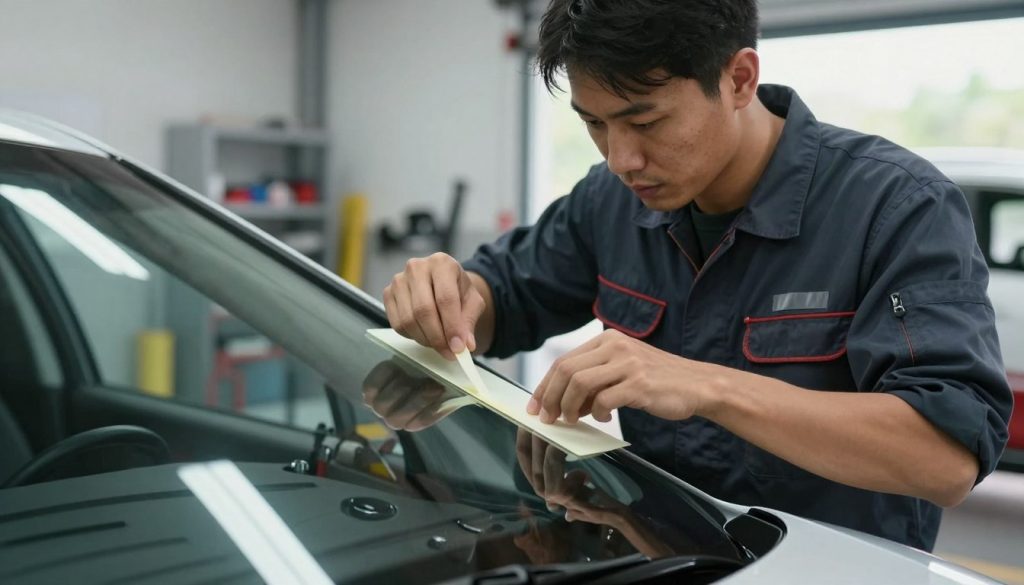
Can one simple policy really save you time, money, and stress after a rock chip or crack? That question matters because the fine print often decides whether you pay more later.
You’ll get a clear definition of what a typical glass protection plan covers in the U.S. and what it usually does not. Learn how limited manufacturer coverage differs from an extended protection plan, and why the label can hide key details about labor, parts, and time limits.
Before you choose, weigh your driving habits, parking risks, and out-of-pocket cost versus plan price. For straightforward answers before and after service, consider hiring Miracle Auto Glass to review terms and reduce surprises.
Key Takeaways
- Understand the two main types: limited manufacturer coverage and extended protection plans.
- Check whether the plan covers workmanship, labor, parts, or only time-limited fixes.
- Many plans cover labor but not the glass price; know common exclusions like collision or vandalism.
- Compare out-of-pocket cost vs. plan cost based on how and where you drive.
- Contact Miracle Auto Glass to get clear, practical answers before you make a decision.
Why a Windshield Warranty Matters for Your Car
Every driver faces small chips and sudden cracks; knowing how coverage works saves you money and stress.
Common causes of windshield damage you can’t always avoid
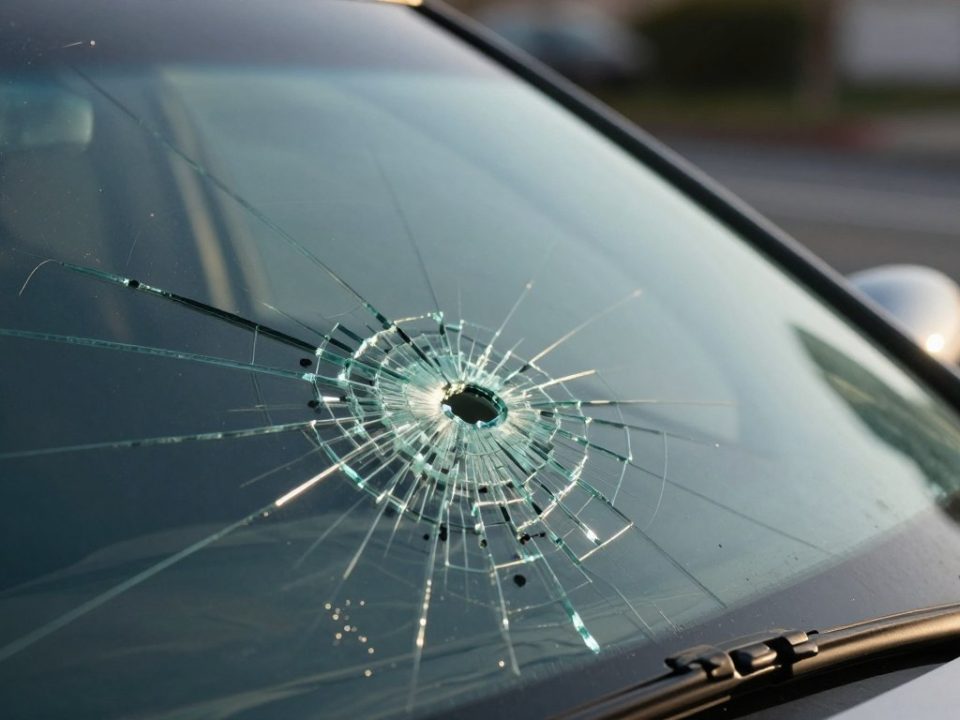
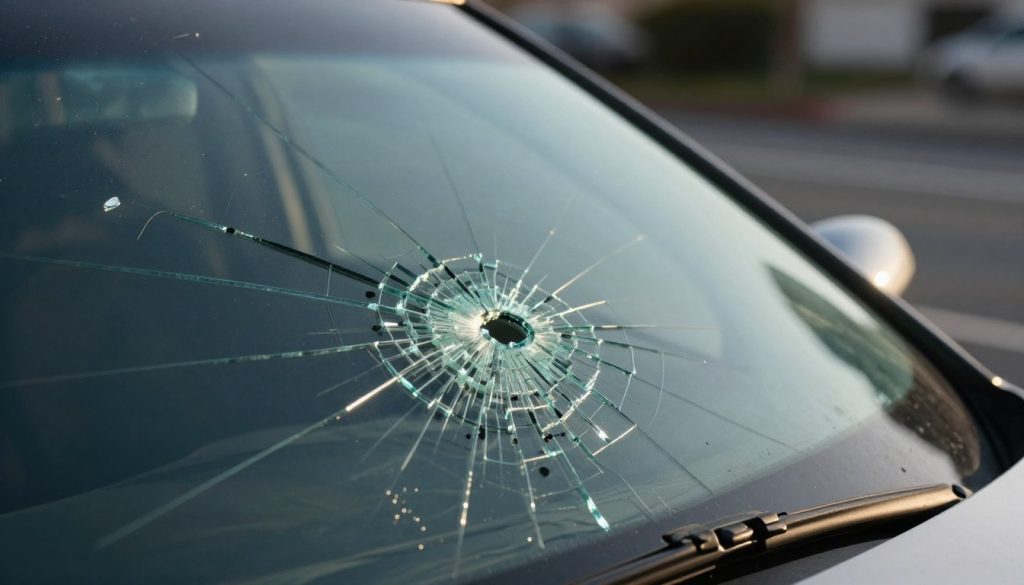
On the road, flying rocks, storm debris, and stray objects create everyday risk. Even careful driving won’t stop every hit.
Temperature swings also matter. Heat and cold make glass expand and contract, so tiny chips can grow into long cracks during sudden shifts.
Repair vs. replacement decisions and how they affect your money
Small chips usually qualify for a quick repair that costs roughly $200 on average. But specialty windshields can top $1,000, making replacement far more expensive.
Repair is often safe for isolated chips. Replacement is wiser for spreading cracks, edge damage, or anything that harms visibility. Your choice impacts what a plan will cover and how much you pay out of pocket.
How proactive maintenance can help protect your windshield over time
Routine maintenance reduces repeat claims and overall cost of ownership. Change worn wiper blades, fix small chips fast, and shelter your car during extremes.
Talk through your driving habits and parking environment with Miracle Auto Glass so you choose coverage that matches real risk. For help with clear, budget-friendly repairs, see clear, budget-friendly repairs.
- Inspect small chips early to limit spread.
- Keep wipers in good condition to avoid scratches.
- Avoid parking under loose branches in storms.
Understanding the Types of Warranty Coverage Available
Choosing the right protection starts with knowing what each contract actually promises.

Limited (manufacturer) coverage vs. extended protection plans
The limited lifetime warranty from a manufacturer is often framed as long-term coverage. But terms matter: time windows, specific conditions, and exclusions can limit how much it pays.
An extended warranty or protection plan is usually an add-on you buy. These plans vary by seller and may cover repair or replacement costs depending on contract language.
How a protection plan differs from standard vehicle service contracts
Many vehicle service contracts list mechanical parts but exclude glass unless you buy a separate protection plan. Check whether the plan covers damage events or only workmanship and installation quality.
- Limited manufacturer coverage often covers defects but not every damage event.
- Extended protection plans can cover chips or breaks if the contract explicitly says so.
- Auto insurance or an insurance policy may step in under comprehensive cover when a plan does not.
Before you buy, confirm that the plan will actually cover windshield claims and not just installation issues. For help reading the fine print, let Miracle Auto Glass explain which coverage applies to your vehicle and what paperwork you’ll need if you file a claim.
What a Quality Windshield Replacement Warranty Should Cover
A strong protection plan should tell you, in plain terms, exactly which kinds of glass damage it will handle.
Covered scenarios you should expect
Good coverage lists chips, spreading cracks, full breaks, leaks, wind noise, and workmanship defects tied to installation quality.
Labor vs. glass cost and common exclusions
Many plans pay labor for repairs or replacements but not the actual glass price. That split matters when you weigh out-of-pocket costs.
Typical exclusions include collision, vandalism, and fraud. When those apply, your auto insurance—not the plan—usually steps in.
Road-hazard language, limits, frame condition, and nationwide value
Road-hazard is often defined as debris or rocks. Read the policy wording so you know what events truly “cover damage.” Check length terms too—some plans allow unlimited repairs, others cap you to one replacement in 12 months.
Rust or poor frame seals can void coverage because they affect seal integrity. Nationwide workmanship promises may be valid as long as you own the vehicle, but confirm reporting windows and whether you must return to the original shop.
Before you authorize work, ask Miracle Auto Glass’ experts to show the terms on the work order and explain what is and isn’t covered.
How Auto Insurance and Your Insurance Policy Interact With Warranty Coverage
When glass damage happens, your auto insurance and any protection plan both play roles—and which one helps most depends on details.
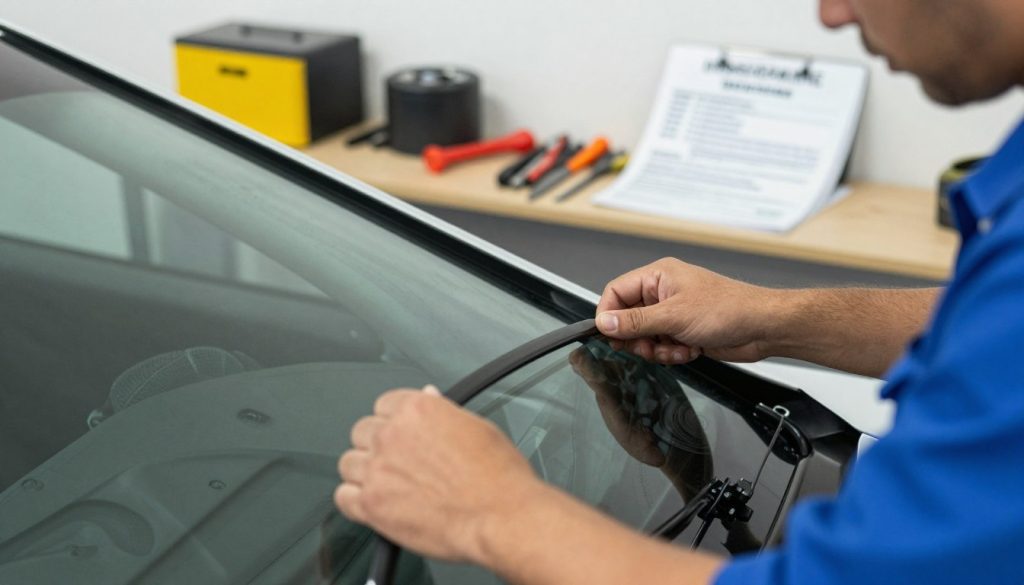
When comprehensive coverage may help (and how the deductible affects cost)
Your comprehensive coverage usually pays for broken glass, but your deductible matters. If the deductible equals or exceeds the expected repair or replacement cost, paying out of pocket may save you time and money.
Claim vs. plan: which route makes sense?
Use a plan for workmanship defects or if the plan explicitly covers road-hazard chips. File an insurance claim for collision or vandalism, or when plan exclusions apply.
Example: If a repair is $250 and your deductible is $500, it’s often simpler to pay yourself instead of filing a claim.
Documents to keep in mind
Keep your insurance policy declarations, the work order or receipt, proof of service date, and any plan certificate language. Some providers require reporting defects within a set window.
Before you file, ask Miracle Auto Glass to review your options and help you decide which claim or plan route fits your vehicle and your budget.
How to Evaluate Providers and Read the Fine Print Before You Replace Your Windshield
Before you sign, learn the exact steps a provider follows when you report damage and how long they allow for claims.
Questions to ask about reporting, timelines, and service areas
Ask who you call to report an issue, what proof they need, and how many days you have to report defects. Confirm if coverage is honored nationwide or only at the original shop.
Get claim rules in writing and ask whether the plan is transferable if you sell the vehicle.
What to check right after installation
Inspect for seal gaps, bubbles in the adhesive, and proper gasket fit. Check for water tightness along the edge.
Do a short test drive to listen for wind noise or rattles. These are signs of poor workmanship and should be fixed under your protection.
ADAS recalibration and cost decisions
If your vehicle needs ADAS recalibration, expect a shorter warranty window for that service—often 30 days or until the next event. Recalibration is safety-critical, so confirm documentation and timing.
Compare out-of-pocket cost using your driving habits. Frequent highway miles, gravel roads, or harsh weather make a protection plan more valuable. Keep your deductible and how often you’d use the plan in mind.
Need help? Miracle Auto Glass’ experts can explain repair windshield vs. full replacement, confirm calibration needs, and document everything on the invoice. For pricing tips, see how to get the lowest price windshield.
Conclusion
A smart coverage choice starts with matching plan terms to your actual driving risks.
Summarize the essentials: pick a plan that clearly states what it covers—workmanship, labor, and whether it handles repairs or full service. Know how long coverage lasts and the exact steps to file an issue.
Match protection to your miles, roads, and deductible so you avoid surprises when you pay. Verify exclusions like collision or vandalism, check for frame issues such as rust, and note any ADAS recalibration windows.
Keep policy details, the work order, and proof of service in one place to speed future claims or service calls. When you want clear answers and quality installation, hire Miracle Auto Glass to fix your windshield or other glass damage and get the right solution for your vehicle.