
How to Stop a Windshield Crack From Spreading

What Hail Damage Can Do to Your Windshield in San Antonio
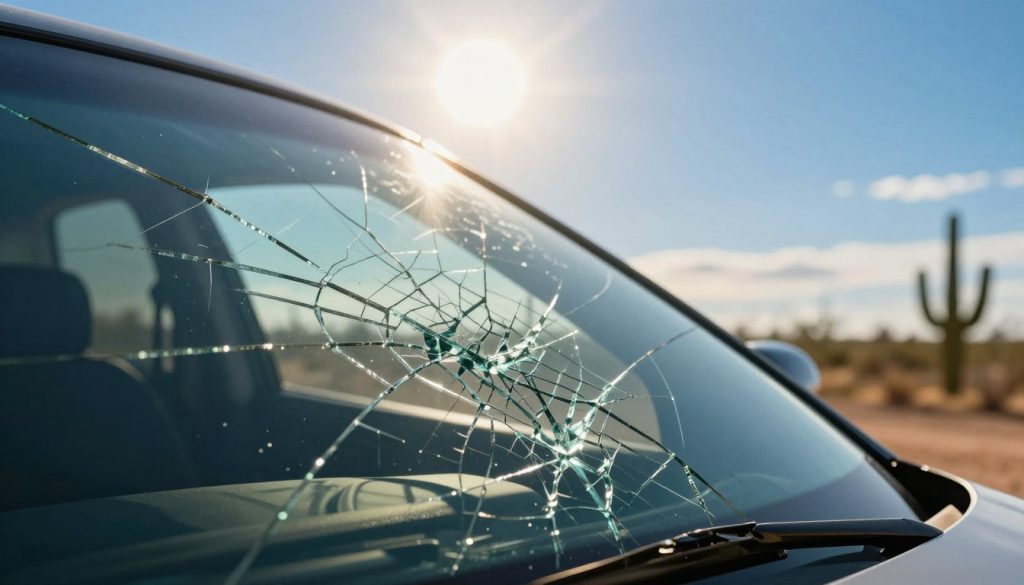
Have you ever wondered why your car’s front glass seems to crack faster during long, hot summers?
When temperatures top 100°F, your vehicle sits baking in the sun, then you blast the A/C inside. That quick shift strains laminated and tempered glass over time and can lead to costly problems.
This short guide explains what scorching days do to your windshield, why thermal stress happens, and how you can lower the risk of windshield damage. You’ll learn how auto glass is built, how temperature swings create stress, and the common crack types to watch for.
Miracle Auto Glass is the company you can trust for inspection, repair, or replacement if you spot early signs. Acting quickly helps protect your visibility and overall safety, not just the look of your car.
Key Takeaways
- Extreme summer heat and sudden cooling cause glass stress and cracks.
- Small chips can turn into bigger problems if ignored.
- Understanding auto glass construction helps you spot risks early.
- Simple steps can reduce thermal shock and protect your vehicle.
- Contact Miracle Auto Glass for professional inspection or repair.
Why Texas Heat Is a Real Threat to Your Auto Glass
Extended periods of extreme summer temperatures increase the number of stress cycles your auto glass must survive.
Daily highs routinely climb above 100°F in cities like Houston, Dallas, and Austin. Those baseline readings matter because they lengthen the time your vehicle sits under intense sun. Longer exposure raises the risk of micro-fractures forming.
Rapid temperature changes—sun-baked surface to cold A/C—create repeated expansion and contraction. Each cycle adds stress that builds up over time. Shifting conditions such as sun → shade → sudden storms also cause uneven heating across the glass, concentrating weak spots.
How regional extremes compare
| Region | Days >100°F /year | Common conditions | Effect on auto glass |
|---|---|---|---|
| Houston | 30–45 | High humidity, long sun exposure | Edge seal wear, slower cooling |
| Dallas | 40–60 | Dry heat, rapid afternoon spikes | Frequent stress cycles, chip growth |
| Austin | 35–55 | Intense sun, quick weather swings | Uneven heating, increased crack risk |
Compared with milder climates, prolonged exposure changes what “normal wear” looks like for vehicles. Small flaws expand faster and require earlier attention from pros like Miracle Auto Glass.
Understanding how your glass is built will clarify why stress concentrates in certain spots. The next section explains construction and why those areas are vulnerable.
How Your Windshield Is Built and Why It Reacts to Heat
Even well-made vehicle glass changes size slightly as the air around it warms and cools.
Laminated auto glass basics
Your car uses laminated auto glass: two sheets of glass bonded with a plastic inner layer.
This inner layer (usually PVB) holds shards together in a crash and boosts safety. That design helps protect you, but it does not stop all problems from occurring.
Expansion, contraction, and integrity
Glass expands as temperature rises and then contracts when it cools. Those tiny moves seem small, but repeated cycles add thermal stress to the panel.
Over time, cycles of expansion and contraction can weaken the structural integrity near edges, chips, or old repairs. What looks like a cosmetic mark can affect overall safety.
- Two glass layers + interlayer = strength in impact.
- Inner layer keeps fragments together, yet it cannot prevent stress fractures.
- Uneven heating amplifies movement—more on that in the next section.
If you want to learn more about environmental causes and options, see why windshields crack faster or contact Miracle Auto Glass for an inspection.
windshield heat damage Texas: What Actually Happens to the Glass
A car that sits hours under direct sun and then receives rapid cooling faces repeated thermal strain. That cycle is the core cause of visible problems you may notice while driving.
Thermal expansion and contraction cycles during summer driving
As the glass warms, it expands; when it cools, it contracts. These tiny moves repeat every day you park in sun and then drive with A/C on.
Over time, those cycles build internal stress until a small flaw becomes a visible crack.
Why temperature differentials matter
The center of the panel often heats faster than the edges or shaded areas. Uneven warming causes parts of the glass to expand more than others.
That mismatch creates stress lines where cracks can start.
Cold A/C, thermal shock, and edge failures
Blasting cold air at a very hot surface makes the glass contract quickly. Rapid contraction can trigger a thermal stress fracture right where the glass is weakest.
Edges are common failure points because the frame and seal hold them tight. They can’t move freely, so stress concentrates there and chips or cracks grow faster.
Compounding micro-stress and structural integrity
Small micro-stress zones may be invisible at first. Repeated summers of similar cycles weaken the panel’s structural integrity.
If you spot any spreading crack patterns, acting early reduces the risk of a full replacement. Contact Miracle Auto Glass for an inspection and next steps.
Common Types of Heat-Related Windshield Damage You’ll See
Bright sun and prolonged parking create unseen pressure points along the panel’s edges. These start small but can grow quickly under the right conditions.
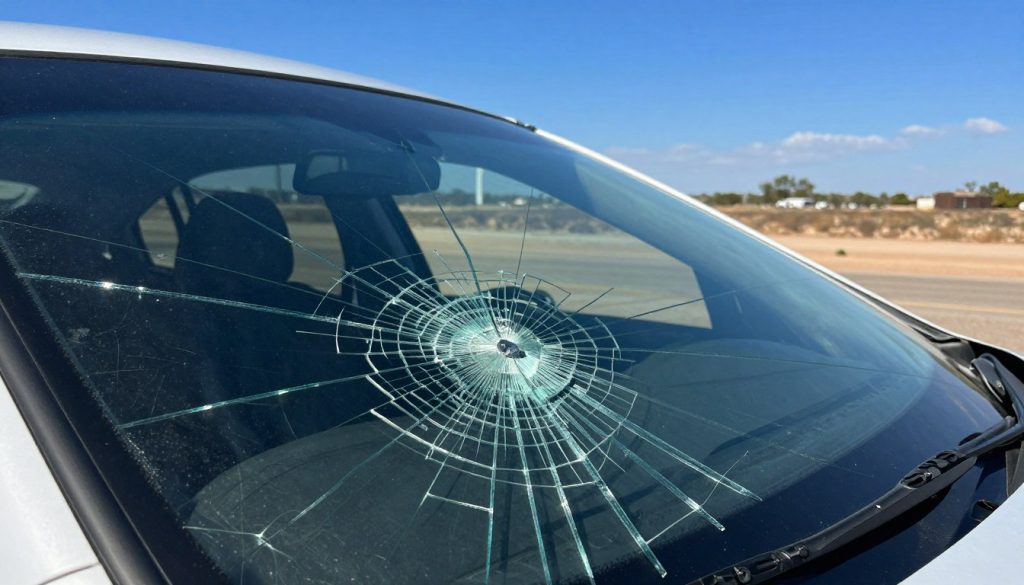
Heat stress cracks that start at the edge and spread
Heat-driven cracks often appear at the edge and run inward. They can form without an impact and show as long, linear lines.
If a line begins at the frame, treat it as a stress crack and schedule an inspection before it spreads.
How existing chips expand into long cracks in high temperatures
A small chip creates a weak spot that concentrates movement. Under hot, variable conditions a chip can spider outward into a long crack.
Look for a chip with tiny radiating lines. That pattern signals a high risk of rapid growth.
Sun and UV damage to seals, edges, and potential leak points
Prolonged sun exposure dries sealant. Cracked or shrunken seals let moisture in and add stress at the perimeter.
Leaks can fog the glass, warp trim, and worsen structural issues around the mounting area. Routine checks catch these problems early.
- Edge-starting lines vs. impact “bullseye”: origin point matters.
- Chips under sun are prone to fast expansion—repair quickly.
- Check seals for cracking to prevent leaks and further glass stress.
Act early: if you notice spreading cracks, growing chips, or seal failure, contact Miracle Auto Glass for a prompt inspection and repair.
Warning Signs You Shouldn’t Ignore While Driving
You may not notice slow changes until glare or a faint line starts to blur your lane view.
Visual red flags that can reduce visibility and increase safety risks
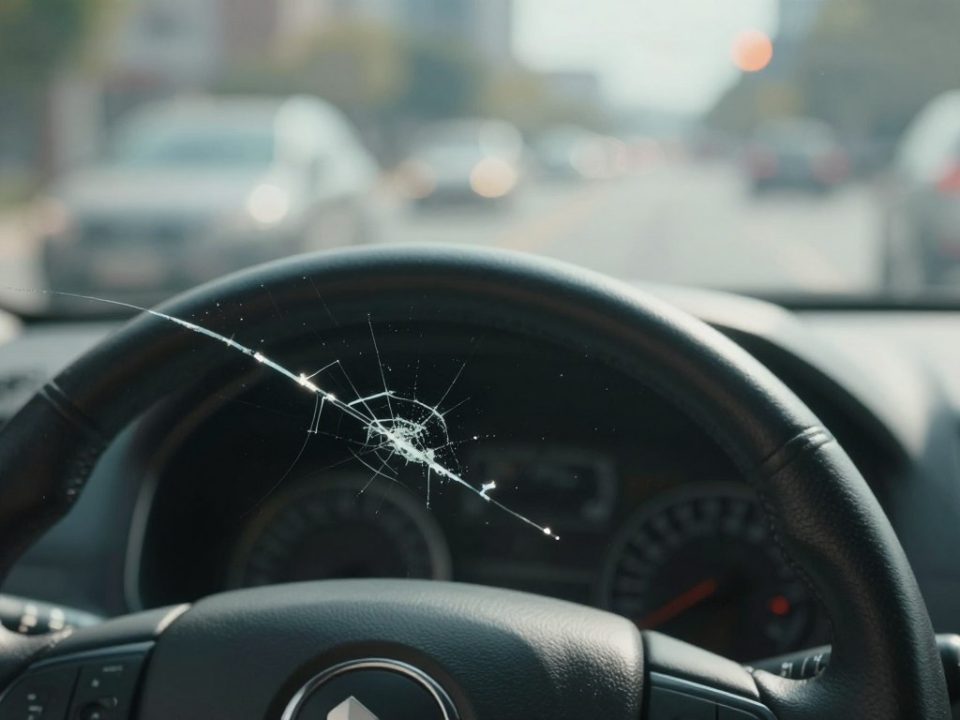
Watch for a crack creeping from the edge, shimmering distortion that bends light, or a chip that looks larger after a hot day.
Even small chips can refract sun or headlights and lower visibility. That creates real safety risks during dawn and dusk commutes.
When minor issues become urgent and require professional repair
Do a quick inspection before you drive: scan edges, look for new chips, and note any lines that lengthen after temperature swings.
If cracks start spreading, if a chip sits in your line of sight, or if multiple issues appear after repeated sun exposure, treat the condition as urgent.
- Edge-starting cracks that grow quickly
- Shimmering or distortion that distracts the driver
- Chips that suddenly look larger or radiate tiny lines
Why professional windshield repair matters: trained technicians use proper resin fill and stabilization to stop crack growth more effectively than DIY fixes.
Your priority should be safety. If visibility is compromised or a line grows, schedule an inspection and repair with Miracle Auto Glass before your next long drive.
How to Prevent Heat Damage During Texas Summers
Long midday sun can make your parked car feel like an oven and stress the glass in subtle ways. Simple steps reduce risk and keep you on the road longer.

Strategic parking to reduce direct sun exposure
Park in shade or under a covered spot when you can. Shade lowers the surface temperature and reduces uneven heating across the panel.
This simple action cuts thermal cycles and limits stress that turns small chips into larger cracks.
Sunshades and cabin temperature control
Use a reflective sunshade to keep cabin temperature down. That protects interior surfaces and reduces thermal strain on the glass.
Cool your vehicle gradually
Vent first: crack windows to let hot air escape before you blast A/C. Then run A/C at a moderate setting until the interior cools.
This method avoids sudden temperature changes that can cause a stress fracture.
Repair chips promptly and consider tinting
Act quickly on any chip. Prompt repair often stops growth and can help you avoid full replacement later.
Consider professional window tinting for UV and heat control. Properly installed film lowers cabin temperature while keeping clear visibility for the driver.
Miracle Auto Glass offers chip repair, windshield repair, and advice on protective options. Taking these steps now is smart action to protect your auto glass and your time on the road.
Repair vs. Replacement and How Insurance Often Applies in Texas
Deciding whether to fix a small flaw or replace the entire panel starts with a quick safety check.
How to choose: repair or replacement?
Repair is often suitable for small, stable chips and short cracks that are away from your line of sight. It preserves the glass and is faster and less costly.
Replacement becomes necessary when cracks are long, spreading, sit at the edge, or distort vision. These issues affect vehicle safety and the structural role of the panel.
What insurers may cover
Comprehensive policies frequently include coverage for environmental or heat-related glass problems, subject to your deductible. Check with your insurer to confirm limits and whether repair avoids a deductible charge.
How Miracle Auto Glass helps
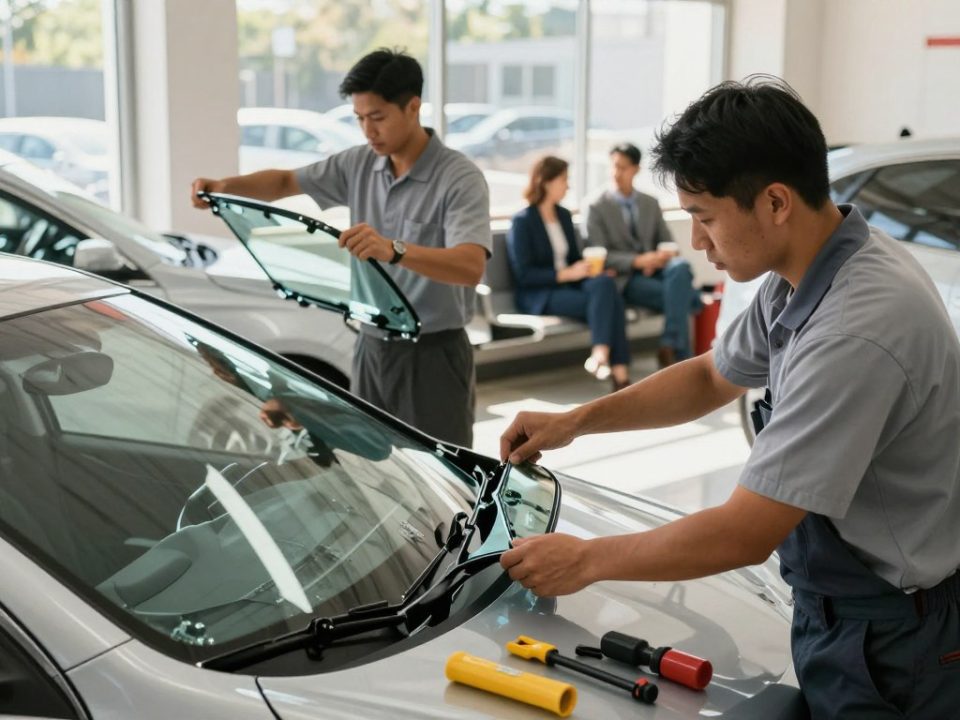
Miracle Auto Glass, the company, works directly with insurance providers to simplify claims. They assess whether a repair or full replacement fits your situation and schedule the service quickly.
| Decision Factor | Repair | Replacement |
|---|---|---|
| Typical size | Small chips, short cracks (usually under a few inches) | Long cracks, multiple cracks, edge failures |
| Visibility impact | Away from driver’s sightline | In driver’s line of sight or causes distortion |
| Safety concern | Maintains structural support if stable | Compromises vehicle safety; replacement required |
| Insurance role | Often covered under glass; may waive deductible | Covered under comprehensive; deductible and limits apply |
Prepare for a claim: take clear photos, note when the issue appeared, and say if it worsened after temperature shifts.
Addressing problems early keeps repairs simple. Contact Miracle Auto Glass for an inspection and to get help with insurance and next steps.
Conclusion
The relentless summer sun can quietly weaken your vehicle’s glass over many drives. Repeated expansion and contraction from extreme heat shortens lifespan and lets small chips grow into longer lines.
Prevention is simple: park in shade, use sunshades, cool the cabin gradually, and repair chips quickly. These steps help drivers avoid larger problems and long repairs.
Watch for visual changes that affect your safety. If you see spreading lines, take action early so you can often choose a simpler fix instead of a full replacement.
Need help now? Hire Miracle Auto Glass for prompt inspection and service. Learn how to prevent cracks from spreading or schedule a repair to get back on the road with confidence.