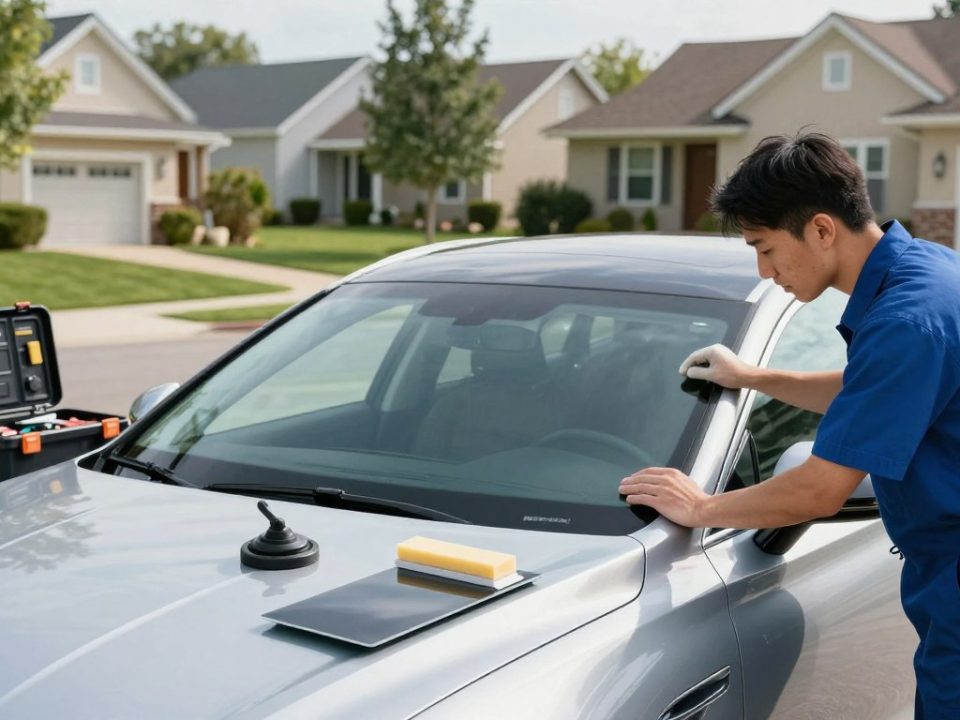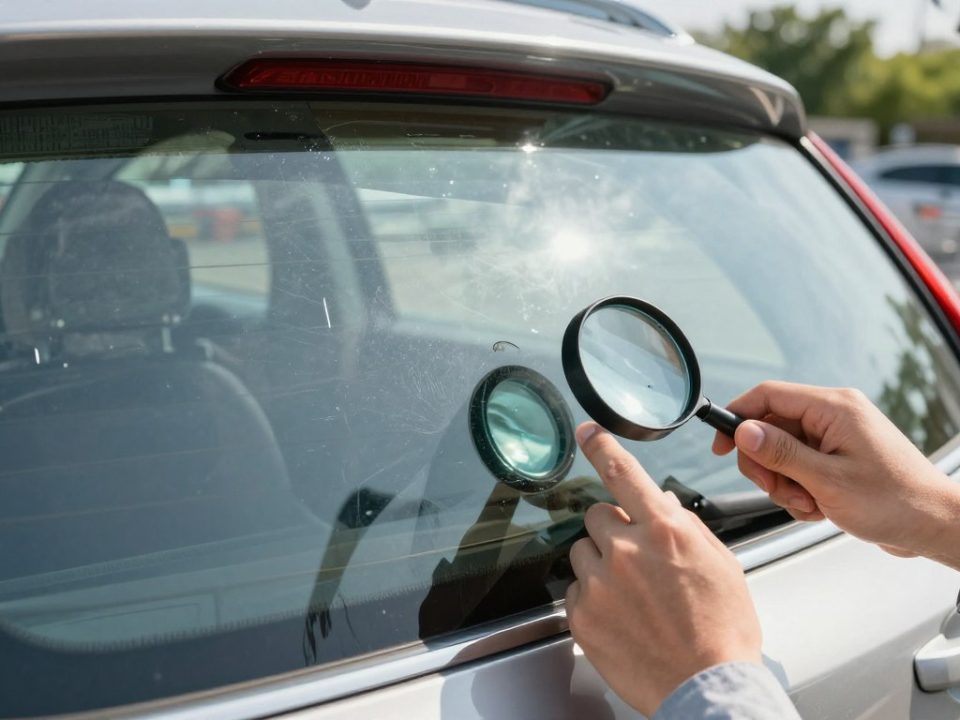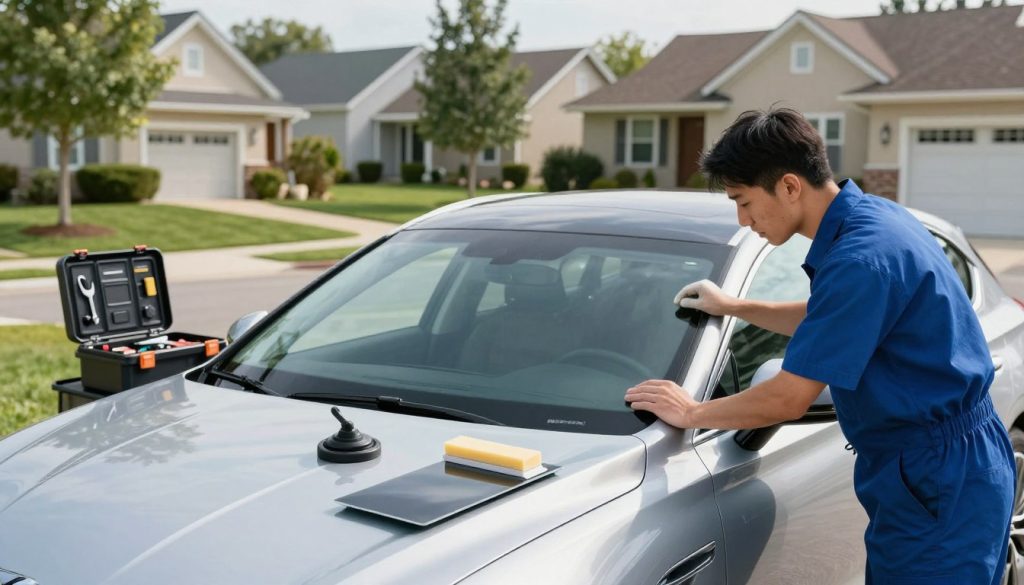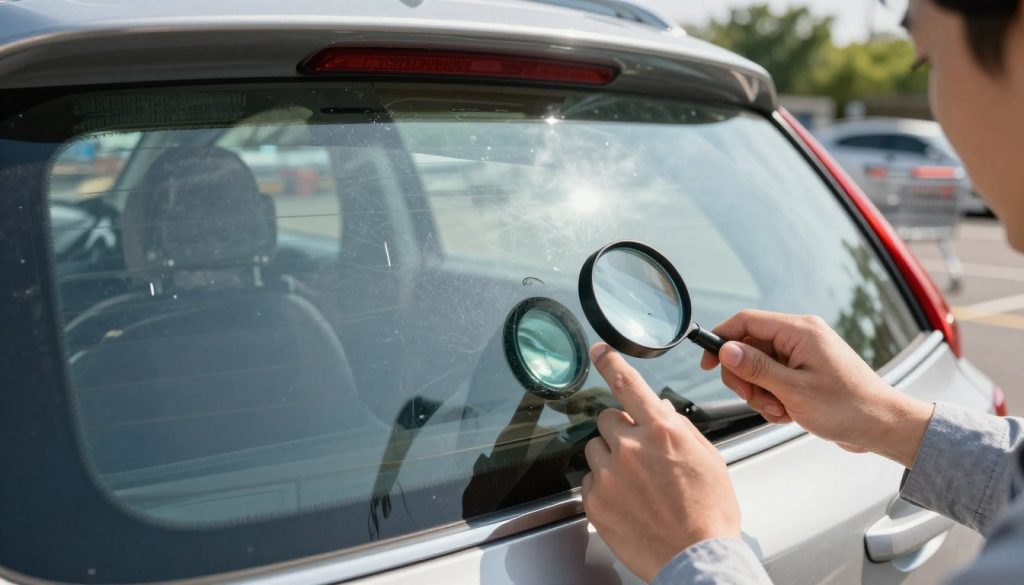
How a Damaged Windshield Affects Driver Safety in San Antonio

Does Insurance Cover Windshield Repair in Texas
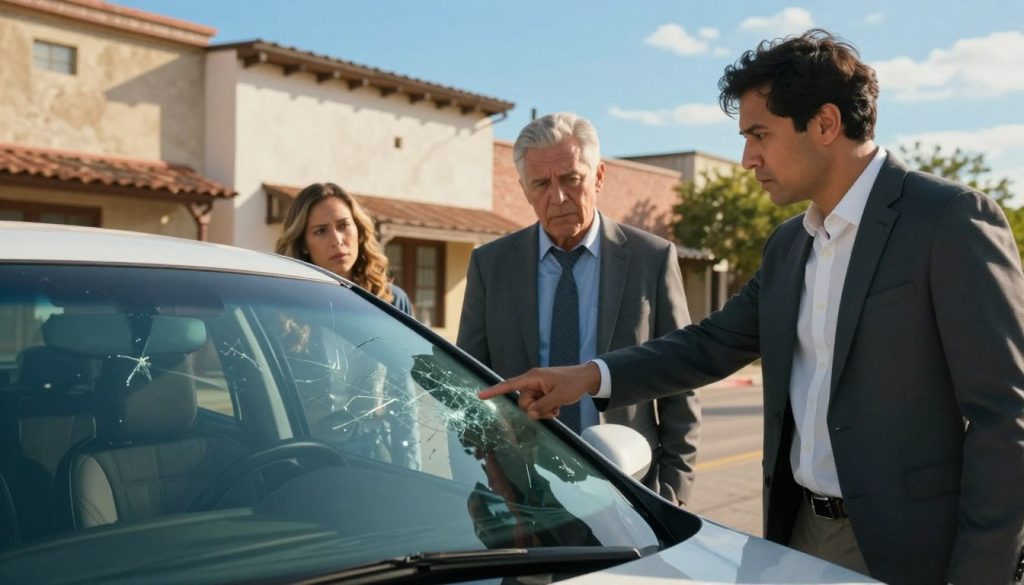
Curious what can actually get you stopped on the road for a cracked or obstructed glass? This FAQ-style guide puts clear answers in your hands so you can drive with confidence.
You’ll read concise, practical rules focused on San Antonio driving. We explain what the laws require for your vehicle, what officers typically check, and when small chips become big problems.
Big-picture baseline: the law didn’t force every car to have a windshield, but once your vehicle has one, equipment and visibility rules apply. That means wipers, safety glass, and items that block your view matter.
Preview the cracked windshield reality: no tidy statewide size chart exists, yet you can be cited if glass affects your line of sight or the pane changes shape.
Inspection checks moved out of the state process, but officers still enforce visibility and obstruction issues during traffic stops. Heat, highways, and road debris in San Antonio can worsen chips fast.
Miracle Auto Glass is your local option for repair and replacement guidance. Read on to learn what officers look for and how to decide between repair or replacement, and expect a simple invite at the end to hire Miracle Auto Glass if you need help.
Key Takeaways
- This guide explains what can get you stopped in San Antonio traffic.
- Equipment rules cover wipers and safety glass; obstructions matter.
- No statewide crack-size chart; visibility is the core test.
- Windshield checks left inspections, but enforcement still happens.
- San Antonio heat and road debris make prompt repairs smart.
- Miracle Auto Glass can assess damage and offer repairs or replacements.
Texas windshield laws: what’s actually required on your vehicle
Start with one simple rule: if your car has a front pane, certain equipment and visibility standards apply. Those standards focus on the parts that affect your ability to see and to remain safe while driving.
When a windshield is present, wipers must work and be driver-controlled
Your wipers must be controlled from the driver’s seat and clear rain or moisture so your view stays usable. That means switches, stalks, or controls need to function and the system must respond when you need it.
Wiper blade condition rules: even contact, no cracks or tears
Blade edges should touch the glass evenly and avoid streaking. Replace blades that crack, tear, or leave missed areas. Poor blades can become a serious safety problem in sudden storms and may be seen as impairing your ability to drive safely.
Safety glass requirements for windshields and window glass
All installed window glass must be automotive-grade safety glass. That means layered construction and glazing designed to limit shattering and flying fragments. This rule covers front and other windows, so repairs and replacements should use proper auto glass parts.
Quick checklist before a long drive: wipers respond, blades wipe cleanly, blades sit evenly, and the front glass is intact and automotive-rated. If you suspect improper glass, loose fit, or failing wipers, contact Miracle Auto Glass for an expert evaluation.
Driver visibility and windshield obstructions that can get you stopped
What you attach to glass can matter as much as cracks — officers look for anything that blocks your sightlines.

Items that hinder your clear view of the road
The basic idea under the law is simple: if something on the front pane interferes with your ability to see the road or intersecting streets, you can be stopped.
Common obstructions include aftermarket decals, oversized parking permits, dash‑mounted devices that crowd the lower glass, and suction‑cup accessories. The test is whether they affect your driver view.
Side and rear window obstructions
Side and rear windows matter too. Signs, cargo, or coverings that block your view can reduce overall visibility and create the same enforcement risk.
Where required labels and stickers are allowed
Required stickers and inspection labels are normally permitted in the lower corners of the front glass. Keep nonessential items out of the main sightlines.
- Everyday meaning: an “obstruction” blocks your ability to see cross‑traffic, pedestrians, or signals.
- Avoid the stop: minimize accessories, place legal labels in lower corners, and clear cargo from rear windows.
- If glass distortion or prior installs confuse you, have a pro evaluate the issue.
| Issue | Example | Action |
|---|---|---|
| Front glass obstruction | Large decal over driver sightline | Remove decal; keep items below lower corners |
| Side/rear blockage | Boxes or signage in rear window | Reposition cargo or use clear coverings |
| Distorted or damaged glass | Cracked area that blurs view | Contact Miracle Auto Glass for assessment and repair |
Safety note: Even if you feel confident, enforcement often hinges on whether your view is compromised enough to affect safe operation. Miracle Auto Glass can remove or replace damaged glass and advise how to keep that area clear so your ability to see stays strong.
Cracked windshield Texas rules: chips, cracks, and when it becomes a legal issue
Small chips often start harmless, but they can quickly become a legal and safety problem.
There is no fixed size chart for a cracked windshield; the state did not publish specific crack-size limits. Still, a cracked windshield texas can trigger a stop if the damage affects your view or creates a prohibited condition.
Why visibility matters even without size rules
If cracks spread into your sightline, cause glare, or distort images, an officer may deem the crack windshield condition to obscure your view. That can lead to a citation even when the chip is small.
Shape-changing damage: convex or concave panes
Glass that bows or warps is not permitted because convex or concave change distorts what you see. Such damage raises both legal and safety concerns.
Officer response and safety reasons to act
An officer will look for damage in your primary viewing area and whether it blocks signals, pedestrians, or lane markings. Beyond citations, cracks reduce structural integrity and can affect airbag support during an accident.
Decision guide: repair vs. replace
- Small, stable chips: windshield repair or windshield repair replacement may work.
- Spreading cracks or distortion: replace windshield or full windshield replacement is safer.
- Don’t wait: heat and vibration can turn a repair into a replacement fast.
If you have a cracked windshield texas concern or other glass damage, contact Miracle Auto Glass for an inspection and clear guidance on repairs or replacements that prioritize safety and lower ticket risk.
Window tint laws in Texas that affect your windshield and driver view
How you tint glass matters for nighttime visibility and for avoiding traffic stops.

Windshield tint limits
Only non-reflective tint is allowed above the AS-1 line or the top five inches of the windshield, whichever comes first. Anything below that can create a compliance issue and affect your driver view.
Front side window requirements
Your front side windows must allow more than 25% light transmission. Dark films that block light increase the chance of a ticket and reduce nighttime visibility.
Rear windows and mirrors
Rear window tint may be any darkness, but if rear glass is tinted, your vehicle must have an exterior mirror on each side to preserve roadway visibility.
Reflective limits, banned colors, and the sticker
Reflective films may not exceed 25% reflectivity. Red, amber, and blue tints are prohibited on any window. Installers must place a compliance sticker on the driver’s window between the glass and film.
| Window | Limit | Action |
|---|---|---|
| Windshield | Non-reflective above AS-1 or top 5″ | Keep tint only above AS-1/top 5″ |
| Front side | >25% VLT | Choose lighter film |
| Rear | Any darkness; mirrors required | Fit exterior mirrors if tinted |
If your windshield or other glass gets replaced, Miracle Auto Glass can help confirm tint placement and compliance so your setup stays legal and safe.
Texas vehicle inspection changes and what they mean for windshield repair replacement
Inspection rules changed recently, and that change matters for anyone with glass damage.
Windshield checks removed from the state inspection process
The state removed front-glass checks from routine vehicle inspection. That means your car can pass inspection even with chips or cracks that would once have been noted.
Passing inspection no longer guarantees your view is clear for driving. The inspection sticker only shows emissions and basic equipment checks now.
Why passing inspection doesn’t prevent tickets for visual obstructions
Your legal exposure remains tied to visibility, not the inspection form. Under general provisions like Transportation Code 547.611, officers can stop you if glass damage or obstructions impair your ability to see the road.
Driving cracked or driving cracked windshield issues can still lead to a stop, a petty misdemeanor, and fines if the damage affects safe operation.
- Treat chips early — repairs are cheaper than fines and safer for driving cracked panes.
- Monitor cracks for spreading, remove obstructions, and check wipers and tint for compliance.
- If you want to reduce ticket risk and prioritize windshield safety, get a professional inspection and repair.
| Situation | Inspection result | On-road risk |
|---|---|---|
| Small chip in lower corner | May still pass vehicle inspection | Low immediate risk if out of sightline; monitor and repair |
| Crack in driver sightline | May pass inspection | High risk of stop, ticket, and safety compromise |
| Distorted or bowed glass | Passes inspection but unsafe | Officer can cite; replacement advised |
What you should do: repair chips quickly, replace spreading cracks, and remove items that block your view. If you want expert help deciding between windshield repair replacement or full replacement, Miracle Auto Glass can inspect your vehicle and fix the issue so you drive safer and lower your ticket risk. For more on citations, see this guide on getting a ticket for a cracked windshield in.
Conclusion
What matters most is whether your glass, tint, and wipers let you see the road clearly.
Keep this simple: if your vehicle has a front pane, working wipers and automotive safety glass are required because they protect your view and reduce crash risk.
Cracked windshield issues, obstructions, or improper tint can still prompt a stop if they impair your sightline. Small chips can spread and glare can worsen on the highway or at sunrise and sunset.
Act early to lower accident and ticket risk. Prompt auto glass repair or replacement preserves safety, supports airbag performance, and protects your car.
Hire Miracle Auto Glass to inspect, repair, or provide windshield replacement and other glass services so you can drive with confidence and a clear view.