
What Impacts the Cost of Door Glass Replacement

Why Quick Chip Repair Prevents Bigger Problems
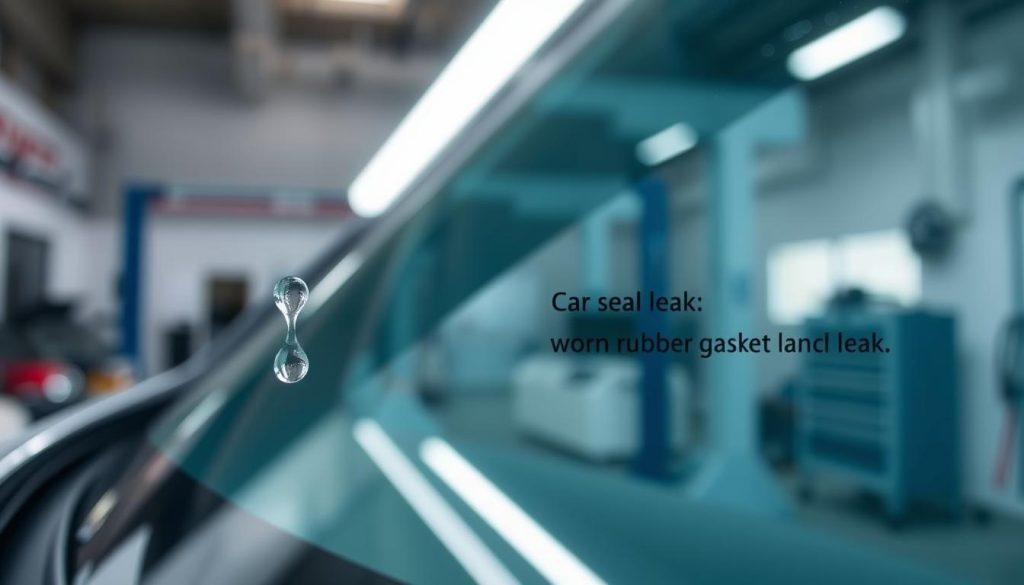
You rely on your vehicle to keep you safe. A small drip can hide a bigger problem: a failing bond between the glass and the vehicle body. These issues often start subtle and may go unnoticed for weeks.
In this section, you will learn what a Windshield Seal Leaks situation looks like and why that tiny drip matters. Temperature swings, collisions, or poor urethane application during installation often cause the failing bond.
Finding a leak early helps you prevent water damage to upholstery, electronics, and structural trim. Some fixes are simple and DIY-friendly for small gaps. But for structural problems or persistent trouble, trust a qualified shop.
When you need professional care, Miracle Auto Glass can inspect, reseal, or replace the glass correctly. This article will guide you through the signs to watch for, how to confirm the source, short-term protection, and the proper repair options.
Key Takeaways
- Small drips can signal a failing bond around your glass.
- Early detection prevents water damage and interior problems.
- Causes include temperature, impact, and poor installation.
- Some minor fixes suit DIY, but major work needs pros.
- Miracle Auto Glass offers inspection, reseal, or replacement.
Why a windshield leak matters for your car’s safety and interior
Even a tiny trickle where the glass meets the body can spread water through your vehicle.
How water moves: Water can wick under trim, soak carpet and padding, and follow wiring runs into the dash. That moisture reaches sensitive electronics and modules, which may trigger warning lights or cause intermittent faults.
Longer-term consequences: If moisture sits near body seams or under trim, rust and corrosion can form on metal parts—even on newer cars with corrosion protection. Trapped damp also encourages mold growth. Mold can cause stale odors and symptoms like a stuffy nose or itchy eyes for you and passengers.
- Interior damage, electrical diagnostics, and corrosion repair often cost more than fixing the source early.
- Stains, mildew smells, and visible rust reduce resale value and buyer confidence.
- The glass is structural: it supports the roof in a rollover and works with safety systems, so a failed joint is not just cosmetic.
If water keeps returning, you see corrosion near the pinch weld, or safety is affected, move from DIY to professional service. Miracle Auto Glass can inspect and repair issues that threaten systems or recur after attempts to fix them yourself.
Common signs your windshield is leaking inside your vehicle
You may notice small clues inside the cabin long before water is obvious. Watch for repeat patterns after a storm, car wash, or temperature swings.
Condensation or fog
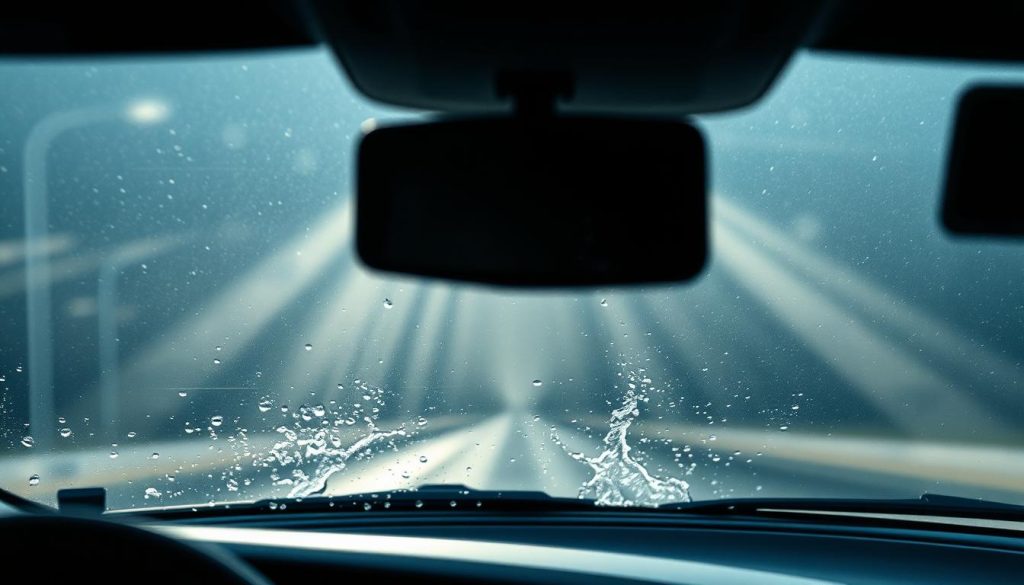
Persistent fog on the inside of the glass that returns after you run the defroster is an early warning. If fog shows mainly near edges or corners, the joint may be letting in moisture.
Musty odor and mold
A musty smell often shows up before you see damp spots. Mildew can form in padding, under mats, or behind trim and produce mold that spreads quietly.
Stains, discoloration, and rust
Look for discoloration or brown staining around the window perimeter and early windshield rust on metal seams. Those marks mean repeated exposure to moisture.
Wet carpet or dashboard water
The clearest sign is wet carpet, damp upholstery, or water on the dash after rain. Drips often appear at upper corners, the A-pillar area, or along the dash edge because water travels before it becomes visible.
- Document symptoms: take photos with dates to show patterns.
- When to act: stop driving and book service if visibility is impaired or electrical warnings appear.
What causes Windshield Seal Leaks
Heat, cold, and even minor impacts can break the bond that keeps your glass watertight. Several common factors erode the joint between glass and body and lead to a visible leak.
Aging, weather, and worn rubber
Rubber seals dry, crack, and pull away after years of sun, ozone, and road grime. Over time those micro-gaps open during heavy rain or a high-pressure car wash.
Temperature swings and body flex
Extreme heat or cold makes materials expand and contract. Normal body flex on older or frequently used vehicles stresses the bond line until it separates.
Collision, body shift, and poor installation
Even low-speed impacts can shift the frame and break the joint around the glass without shattering it.
If a recent windshield replacement shows a new leak, that often points to missing or uneven urethane during installation. That’s when you should call Miracle Auto Glass for a professional recheck.
Mold, dirt, and temporary fixes
Organic buildup along seals creates a “dirty bond” that prevents a tight adhesive contact. Cleaning and prep matter as much as the material used.
Temporary products like silicone may stop a drip short-term, but proper automotive urethane is needed for a lasting repair.
- Tip: If damage follows a collision or replacement, document the issue and check whether insurance covers a replacement based on the cause.
- When in doubt: contact Miracle Auto Glass for inspection and correct repair.
How to find the source of water coming in around your windshield
Start by preparing the cabin so any fresh water coming in shows up clearly. Remove wet mats, lift floor coverings, and dry the dash and A-pillars. That makes spotting new damp easy and saves time during testing.
Prep the area
Dry everything first. If carpet, seats, or trim stay damp, you can’t tell where the next drop started. Make sure the interior is visibly dry before tests.
Spray test with a helper
Have someone inside the car while you lightly spray one small area at a time. Start low pressure and work the perimeter. Pause after each pass so the helper can watch for entry points.
Soap-and-defroster method
Apply a thin detergent film around the edge, mist the glass, then run the defroster. Bubbles will form where air or water move and reveal the likely source. This method finds tiny paths the spray test might miss.
Check under trim and rule out other parts
Water often travels behind molding and shows up far from the real entry. Gently inspect under trim, lift small panels if needed, and follow any wet trails.
- Make sure doors and side windows seals are checked.
- Confirm sunroof drains are clear and not overflowing into the cabin.
- Inspect nearby parts that can mimic a windshield leak.
If you can’t isolate the source in a reasonable time or the problem repeats, schedule a professional diagnostic. If tests point under trim, at the bond line, or the issue returns after sealing, contact Miracle Auto Glass and book an inspection. For more signs and repair options, see signs your windshield is leaking.
Temporary steps to stop a leaky windshield until you can schedule service
Short-term measures can stop most dripping during storms and buy you the time needed to get proper service.
When a temporary fix makes sense: use one if rain is imminent or you cannot get an appointment right away. The goal is to limit water entry and avoid interior damage until pros can work on the joint.
Clear tape method
Clean and fully dry the area first. Apply smooth clear tape over the small gap or chip so the adhesive contacts bare, dry paint or glass.
Check the tape after temperature changes and replace it if it loses adhesion. This is a short-term stop, not a permanent repair.
Cover windshield approach
Use plastic sheeting or a fitted car cover to divert rain away from the top edge. Secure edges so the cover won’t flap and scratch paint.
This protects the inside car during storms and reduces the chance of mold forming from repeated wetting.
Repair kit basics and cautions
DIY windshield repair kits can fill small chips and slow seepage. They do not restore a failing perimeter bond, so view them as a temporary help.
Avoid duct tape (it leaves hard-to-remove residue), over-sealing that traps moisture, and messy products like generic silicone that can complicate professional work.
- Do now: protect the interior, document the area, and limit use of the vehicle in heavy rain.
- Do next: book a professional service with Miracle Auto Glass as soon possible for a permanent repair to prevent long-term damage.
How to repair the seal around a windshield the right way
A proper repair starts with the right materials and careful prep to make the fix last.
Choose the correct materials
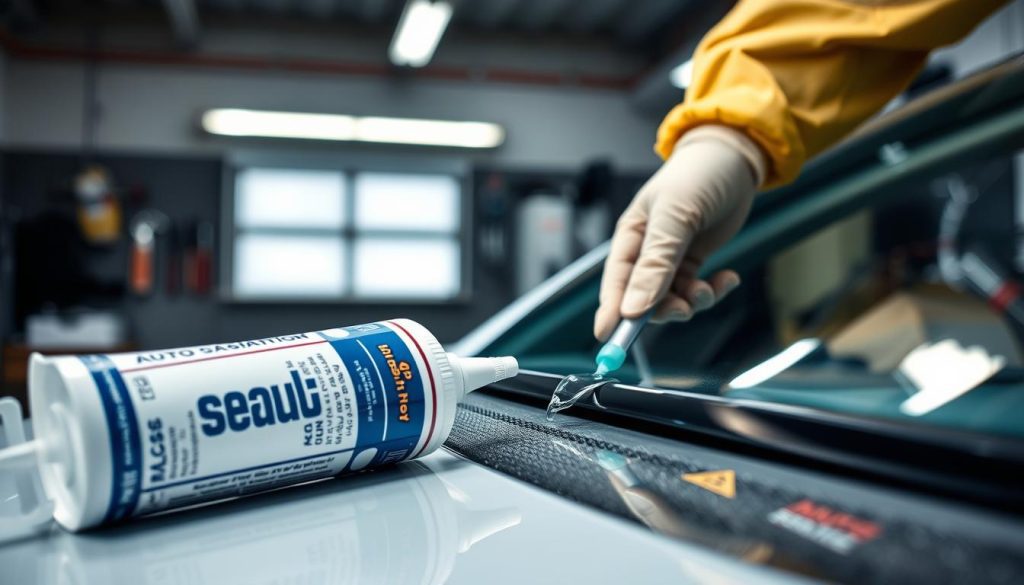
Use an auto glass sealant specifically made for windshield repair. Avoid household silicone and super glue. Those products fail under vibration and temperature swings.
Prep and protect the glass
Clean the perimeter thoroughly and make sure the area is fully dry before you begin. Work in a dust-free, level place to avoid contamination.
- Apply masking tape along the edge to protect the glass and make cleanup easier.
- Lift or remove molding carefully to expose hidden water channels.
Applying sealant and finishing steps
Apply the sealant into the joint between the windshield glass and vehicle body as close to the gap as you can. Use wood or plastic tools — never metal — to press material into the void.
Respect the manufacturer cure time, then reassemble trim and molding. After parts are back in place, perform a spray test to confirm the repair sealed the entry.
When resealing isn’t enough, costs, and insurance
If you find corrosion, damaged gaskets, or a compromised bond line, removal and a full replacement or gasket swap may be needed. DIY sealant kits run low cost, while professional removal and replacement require an estimate.
- Document damage and receipts — this helps with insurance claims.
- When in doubt, call Miracle Auto Glass for proper materials, leak testing, and safe replacement when needed.
Conclusion
Prompt action keeps moisture from damaging electronics, trim, and structural parts. A small leak is more than an annoyance; water entering your car can lead to mold, corrosion, and costly electrical faults inside vehicle systems.
Do this: watch for symptoms, run controlled tests to confirm the source, use short-term protection only when needed, then get a correct repair rather than a quick patch.
Because the glass supports vehicle safety, quality workmanship matters. If you notice windshield leaking again after a fix, or moisture returns after rain, act without delay.
Hire Miracle Auto Glass for a professional diagnostic, reseal, gasket work, or full replacement. Learn more about proper fit and molding at why windshield molding matters, then contact Miracle Auto Glass for prompt service and lasting repairs.