
Best Way to Clean Car Windows Without Streaks

What to Do When Your Car Side Window Breaks
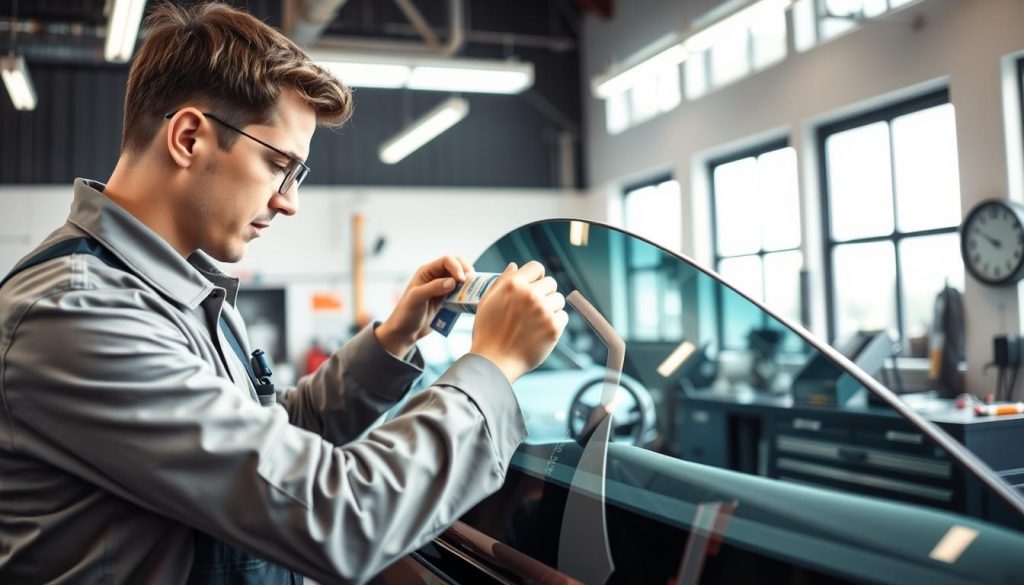
Auto Glass Replacement Time means more than the minutes a tech spends on your vehicle. It covers the full span from diagnosis and parts prep to curing and the moment your car is safe to drive.
Miracle Auto Glass helps you plan by setting realistic expectations. Small chip fixes often finish in 30–60 minutes. Many crack repairs and common windshield jobs run about 1–2 hours.
These estimates depend on damage severity, the repair method, parts availability, weather, shop efficiency, and insurance steps. Scheduling and adhesive curing can extend the total return-to-driving window.
Why this matters: your windshield supports cabin structure and clear sight lines. Quick service that also respects safety standards keeps you protected on the road.
Key Takeaways
- “Replacement” spans prep, install, and curing, not just hands-on labor.
- Chip repairs typically take 30–60 minutes.
- Crack repairs and many installs usually finish in 1–2 hours.
- Delays can come from parts, weather, or insurance processing.
- Choose a pro like Miracle Auto Glass for fast, safe service.
What “Auto Glass Replacement Time” Really Means for Your Schedule
You need a clear plan when a windshield issue shows up. The total appointment has two parts: the technician’s hands-on work and the safe bonding period after installation.
Why timing matters for safety, visibility, and structural integrity
Safety depends on correct bonding. A properly seated windshield helps airbags deploy and supports roof strength in a crash. Rushing the drive-away step can reduce the vehicle’s protection.
Visibility is non-negotiable. The glass must be clear, free of distortion, and sealed so glare and leaks don’t distract you in poor weather.
The difference between shop time and when your vehicle is safe to drive
Your installer may finish the glass in one to two hours, but adhesives need a curing window. Depending on ambient conditions, Miracle Auto Glass will advise a safe drive-away interval—often about an hour or more—to protect the installation and your vehicle’s structural integrity.
- Two-layer schedule: technician work + cure period
- Temperature and humidity affect cure and recommended wait
- Plan commute or choose mobile service to reduce disruption
Typical Timeframes for Repairs vs. Full Windshield Replacement
Knowing whether your issue is a small chip, a short crack, or full glass failure helps set expectations for the visit. Below is a quick, scannable breakdown so you can match your damage to a realistic service window.
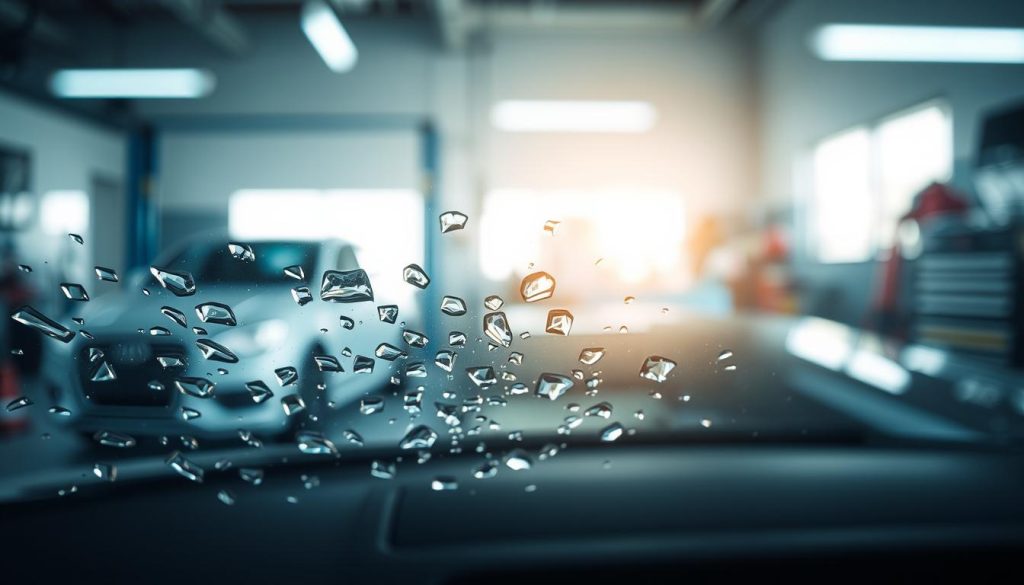
Small chips: quick resin fixes (30–60 minutes)
Small chips are often repaired with resin injection and light curing. The tech cleans the area, injects resin, then cures and polishes for clarity.
This controlled process usually finishes in under an hour when conditions are right and parts are on hand.
Short cracks (up to ~6 inches): 1–2 hours
Cracks take more care because they can spread. Repairs may need multiple resin passes and extra polishing to restore visibility.
Expect about one to two hours depending on complexity and placement near the driver line of sight.
Full windshield: removal and install (commonly 1–2 hours)
When damage compromises structure or exceeds safe repair limits, a full windshield replacement is the responsible option. The job includes removal, frame prep, adhesive application, and initial checks.
In-shop the hands-on work often runs one to two hours, though your total downtime also includes the safe drive-away wait and any added steps like ADAS recalibration.
- Quick guide: chips = ~30–60 mins; short cracks = ~1–2 hours; full windshield jobs = ~1–2 hours hands-on.
- When to replace: cracks over ~6 inches or structural compromise means replacement, not repair.
- Want more on chip size limits? See our note on windshield chip size limits.
How the Windshield Replacement Process Works (So You Know What Happens)
A clear picture of the process makes it easier to expect what the technician will do and why each step matters.
Removing the damaged windshield and prepping the frame for a secure bond
The crew protects your trim and dash before removing the old glass. Panels and seals are masked so paint and interior stay safe.
Technicians then remove the damaged windshield and strip old adhesive. Cleaning the frame and removing debris is critical for a lasting bond.
Installing new glass with professional adhesives for a quality installation
Installing new glass uses high-quality adhesive applied in a controlled bead. Adhesive selection and proper application affect long-term leak prevention and safety.
Correct alignment and even pressure during seating help the glass cure flat and true. This step is where skilled installers earn their value.
Final checks for clarity, seal integrity, and safe fit
After the adhesive sets, the technician inspects fit, checks for gaps, and verifies optical clarity. No distortion, full seal integrity, and proper seating are non-negotiable.
- Protection: vehicle trim and interior guarded during removal.
- Prep: frame cleaned and old adhesive removed.
- Install: adhesive applied, glass set, alignment verified.
- Checks: clarity, seals, and safe fit confirmed.
What Can Make Windshield Replacement Take Longer Than Expected
Several practical factors can stretch your service appointment beyond the quoted window. Below are the common causes so you can plan.
Weather and curing
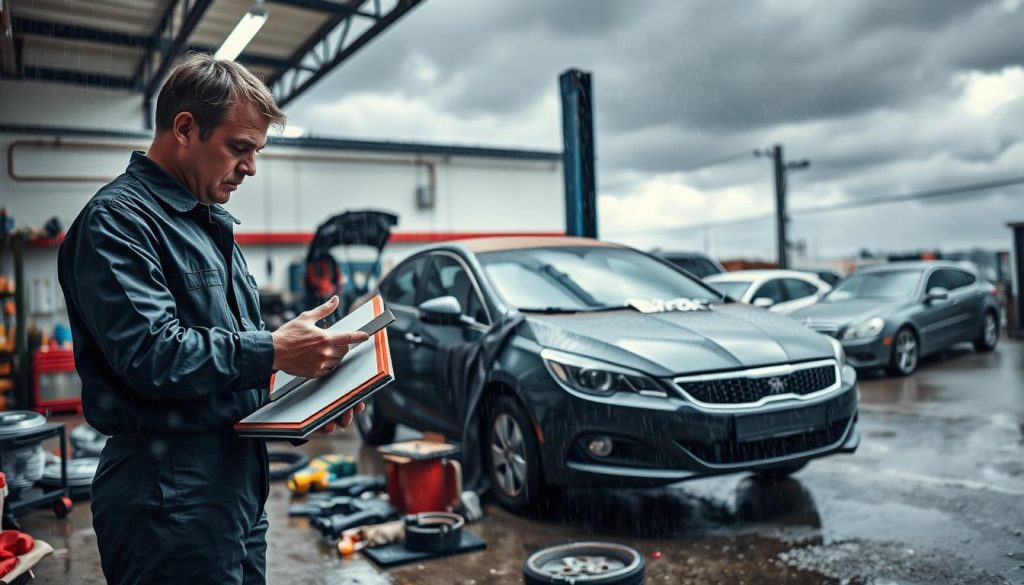
Cold, rain, or high humidity slow adhesive set and material curing. On wet or very cold days technicians may recommend a longer wait so the bond meets safety standards.
Parts and vehicle type
Specialty glass or rare trims may not be in stock. If your vehicle needs a specific type, parts availability can extend how long the job will take.
Damage location and driver line of sight
Cracks near the driver line of sight require extra care to avoid distortion. That careful work can add steps during the process and increase the total appointment.
ADAS recalibration, insurance, and shop factors
Cameras and sensors often need ADAS recalibration after install, which can add time depending on calibration tools and vehicle model.
- Insurance approvals and paperwork can delay start of work.
- Shop efficiency and technician experience affect how long replacement take.
- Overall scheduling and service flow make the final timing variable.
How to Plan Your Appointment to Get Back on the Road Faster
Scheduling smartly reduces downtime and cuts surprises. Book early in the day so the shop can secure parts and fit a full work window plus safe cure hours.
When to choose repair vs. replacement
Repair is best for small chips and short cracks that won’t spread. Choose replacement when damage is large, near the driver view, or affects structure.
What to share when you call
Tell the shop your year, make, model, and VIN if available. Note the glass type, sensor or camera features, and any aftermarket trims so the service team can confirm parts and hours.
Scheduling tips and mobile options
- Ask about technician availability and expected cure guidance up front.
- Pick morning slots to avoid part delays and allow enough hours for safe drive-away.
- Choose mobile auto glass service to cut downtime—technicians can come to your home or workplace.
Miracle Auto Glass coordinates repairs and replacements to balance speed and safety. Call them with accurate vehicle details to get the fastest responsible option.
After Installation: Safe Drive-Away Time and What to Avoid
The installation ends with a crucial pause: a recommended drive-away interval that protects the bond and your vehicle’s performance.
Why most vehicles need about an hour or more before driving
Most vehicles require roughly an hour or longer before you drive. Ambient conditions—cold, heat, or humidity—can slow curing and extend this window.
This short wait ensures the adhesive reaches enough strength to hold during normal driving stresses.
Protecting your new windshield: curing, pressure changes, and wash timing
Avoid actions that stress the seal while it cures. Do not slam doors, drive across rough roads immediately, or take a car wash the same day.
These activities create pressure changes or force on the joint that can compromise the seal and installation integrity.
How proper bonding supports safety and restores visibility
Correct bonding helps maintain structural integrity and supports airbag deployment in a collision. That cure window is part of maintaining your vehicle’s safety.
Good installation also preserves clear visibility—preventing distortion, wind noise, and leaks that undermine safe driving.
- Short checklist: wait the recommended hours, avoid pressure shocks (doors, rough roads), and delay the first wash.
- Keep seals clean, watch for any leaks, and follow the technician’s post-service instructions.
- Whether you chose a glass repair replacement or full replacement, proper care after service protects your result.
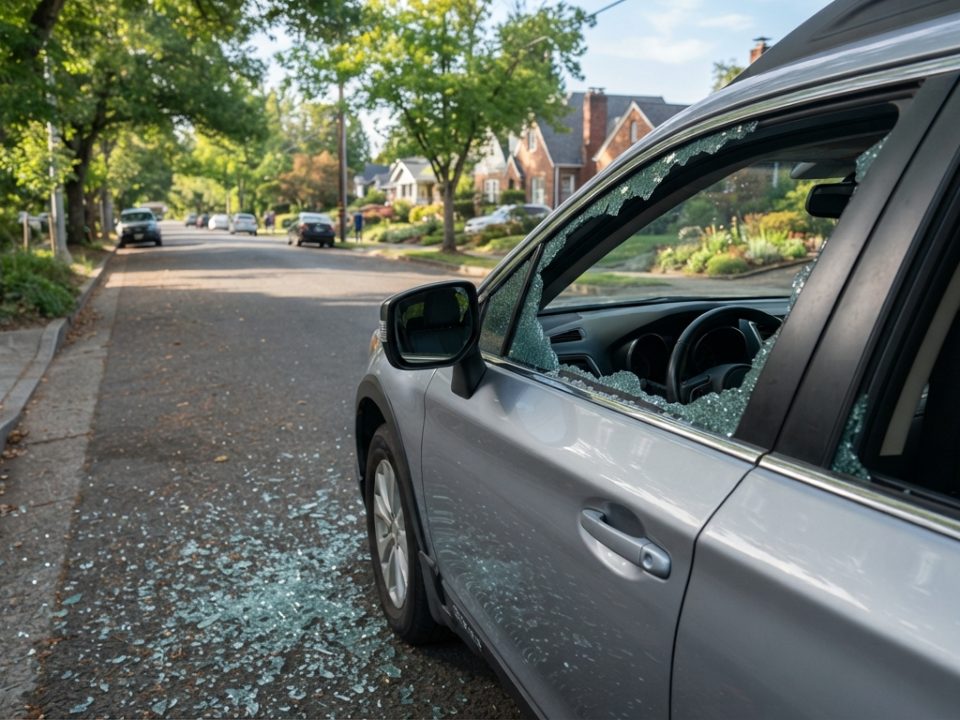
For a deeper look at related door services, see our guide to door glass replacement.
Conclusion
Routine fixes typically finish quickly, but complex damage and modern vehicle systems can extend the process.
Quick recap: small chips often take about 30–60 minutes, short cracks up to ~6 inches typically need 1–2 hours, and most windshield replacement jobs run 1–2 hours for the hands-on work plus a safe drive-away wait.
Plan ahead by sharing accurate vehicle details and confirming glass type to avoid parts delays. Weather, specialty parts, insurance steps, and ADAS recalibration are the usual reasons appointments run longer.
Safety is the priority: don’t treat the job as finished until the bond reaches safe drive-away strength.
Ready to fix your windshield or other vehicle glass damage? Hire Miracle Auto Glass for prompt, professional service and reliable auto glass repair.