
Simple Ways to Prevent Windshield Fogging

What Causes Windshield Cracks to Spread
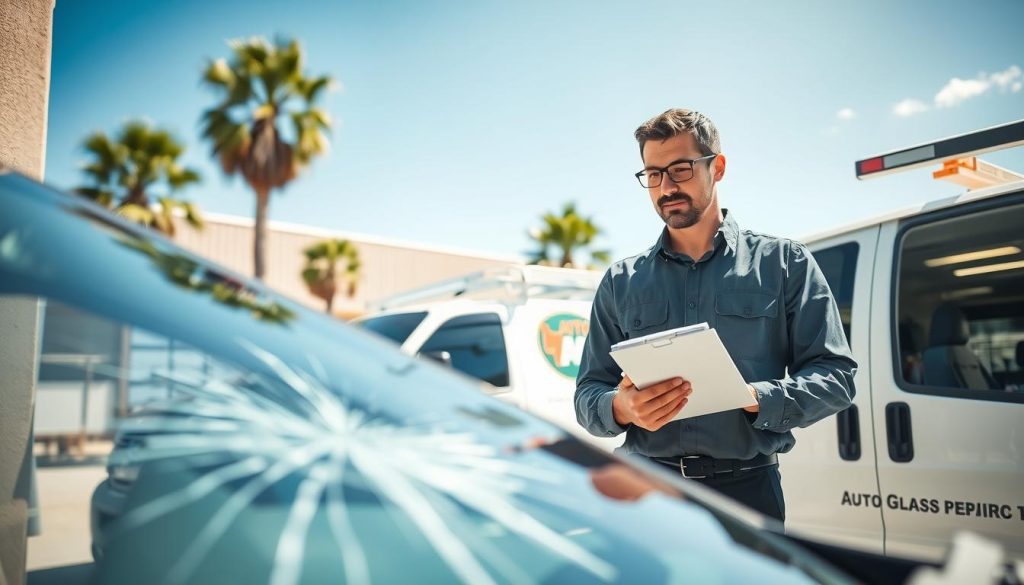
Your windshield or side pane can be fixed without surprises. In Texas, a clear understanding of how an auto glass insurance claim works keeps you in control. Read this short guide so you know when to file, what to expect, and how policy language shapes coverage.
Start quickly. Small chips and cracks often spread, turning a simple repair into a replacement. File before you authorize work to avoid denials or unexpected bills.
Coverage usually follows three paths: comprehensive for non-collision damage, collision when there’s an accident, or the other driver’s liability. Your policy terms decide which path applies and whether a deductible affects your choice.
When you compare repair vs replacement, estimate costs, deductibles, and safety. Choose a trusted shop so you keep control of the decision. If you want fast scheduling and professional installs, consider Miracle Auto Glass as your next step.
Key Takeaways
- Act fast: chips can spread and raise costs.
- Check your policy: language decides coverage.
- Weigh repair vs replacement against your deductible.
- File before repairs to avoid payment issues.
- Choose a reliable provider like Miracle Auto Glass for clear scheduling.
What triggers an auto glass claim in Texas
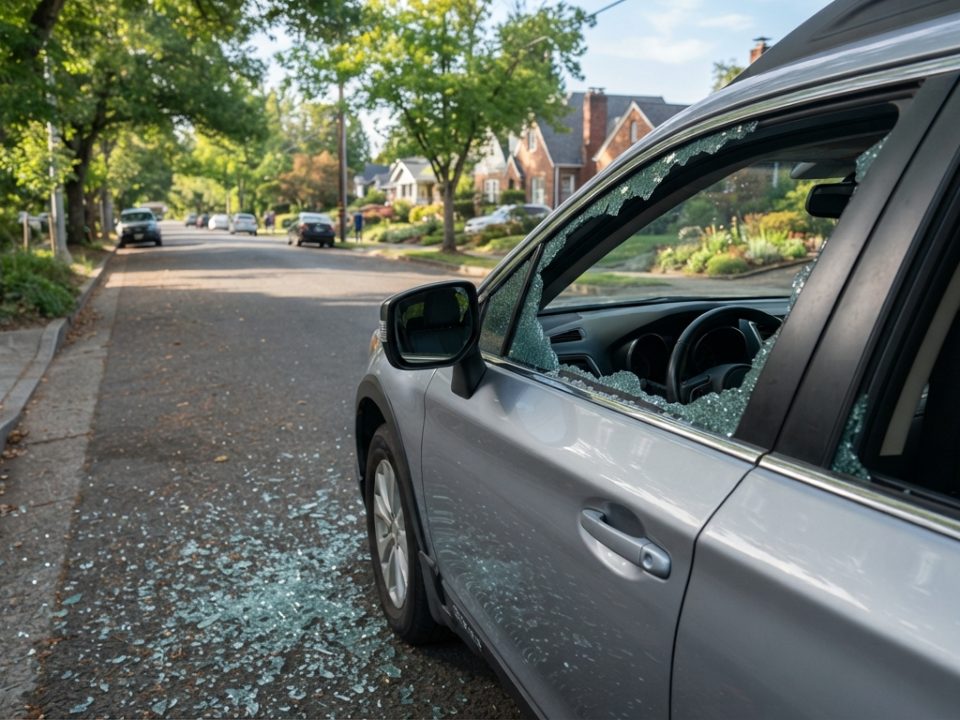
Most glass damage events start with a small impact that grows into a safety issue. A stray rock from a passing truck, road debris kicked by a tire, sudden temperature shifts, or an animal strike are the most common triggers you’ll see on Texas roads.
“Glass damage” covers more than just front panes. Side windows, rear glass, and sunroofs can all suffer the same type of impact and lead to a glass claim depending on your coverage.
Safety-first checklist
- If a crack spreads into your sightline or the glass begins to spiderweb, pull over when safe and turn on your hazard lights.
- Document the scene: note whether a rock or debris caused the impact, or if an animal was involved.
- Report the issue quickly—small chips often turn into long cracks from vibration and potholes, raising repair complexity.
Act fast: get a professional evaluation. Miracle Auto Glass can tell you whether a repair will hold or if a replacement is safer before the crack gets worse.
How auto insurance coverage applies to windshield damage
Knowing how coverage applies makes it easier to decide whether to file and which policy to use. Start by identifying the likely route: comprehensive for non-collision perils, collision after a crash, or the at-fault driver’s liability when someone else caused the harm.
When comprehensive typically applies
Comprehensive usually covers damage from falling debris, flying rocks, animal strikes, or other non-collision events. Expect a deductible and policy limits to factor into any repair or replacement decision.
When collision applies
If the glass broke during an accident, collision coverage often applies instead of comprehensive. Ask your carrier how they classify the incident so you know which part of your policy responds.
Filing against an at-fault driver
If another driver caused the damage, you can file with their insurer and often avoid using your own coverage. Get the at-fault party’s details and request their liability adjuster’s contact.
What controls actual coverage
Remember: summaries are guides. Your contract, exclusions, and deductible determine what the state and your carrier will pay.
- Ask your insurer which coverage applies.
- Confirm glass-only processing and OEM vs aftermarket options.
- Check whether calibration is included if required.
Buyer’s tip: once you confirm coverage, move forward with a qualified shop that documents damage and helps coordinate the claim, such as Miracle Auto Glass coverage guide.
Auto Glass Insurance Claims in Texas
Filing right away limits risk and keeps repair options open. Start your report before any work begins so you avoid denials or unexpected bills.

What information you’ll need to file a claim fast
Gather these details first so you can file auto glass quickly:
- Policy number, insurer name, and contact info
- Date, time, and exact location of the damage
- Clear photos and a short description of how it happened
- Your vehicle year, make, and model
- Any referral or confirmation number from the carrier
Timing rules that matter
Many carriers expect you to file before repairs. Waiting risks a small chip spreading into a larger crack.
Act quickly: prompt filing protects repair options and may reduce your out-of-pocket cost.
Glass-only channels and referral numbers
Some insurers use a “glass-only” phone line or online path. Saying those words can speed routing and get a referral number.
Record that number. It helps you track status, schedule service, and settle billing questions.
Next step: once you have your claim or referral details, you can schedule service with Miracle Auto Glass. They will work with your carrier paperwork to keep the process smooth.
Repair vs replacement: choosing the right windshield fix
Deciding between a repair and a full replacement comes down to damage size, location, and safety needs.
When a repair may work
Small chips and short cracks are often repairable. Minor damage under about 6 inches can usually be fixed with a windshield repair that restores strength and visibility.
When replacement is necessary
Replace the glass when cracks run to the edge, multiple impact points exist, severe spiderwebbing covers the pane, or the driver’s sightline is affected.
Why you should act quickly
Delaying repairs lets a chip crack spread. What begins as a simple repair can become a full windshield replacement and cost more.
Safety and proper installation
- Decision criteria: size, location, edge involvement, and number of impacts.
- Workmanship matters: correct adhesive cure time and proper fit prevent leaks and support roof strength.
- Replacement supports rollover safety when installed to manufacturer standards.
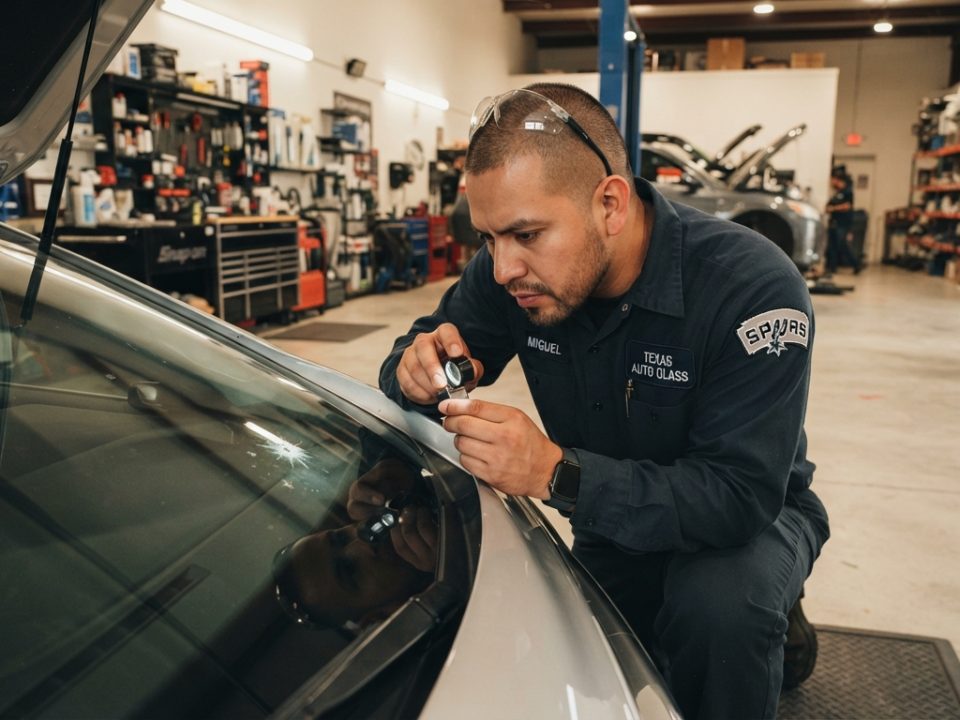
Action step: Have a professional inspection from Miracle Auto Glass to decide whether a repair or windshield replacement best protects safety and insurer requirements.
Deductibles, costs, and when it’s worth filing
A simple math check between your deductible and the repair quote will save you money and time. Start by getting a written quote so you can compare the out-of-pocket total to your deductible.
How deductible amounts affect your cost: if a repair quote is below your deductible, paying yourself often makes sense. If the quote exceeds your deductible, filing may reduce what you pay.
Example you can use: if replacement costs $400 and your deductible is $250, you typically pay $250 and your carrier covers the rest when the loss qualifies.
What drives repair vs replacement cost
- Vehicle make and model affect parts and labor.
- Glass type and safety sensors raise the price.
- Local labor rates and materials influence the final quote.
Deductible waivers and coverage options: some carriers waive the deductible for simple repairs or offer $0 glass options in certain states. Check your policy terms before you file.
Practical step: get a clear written quote from Miracle Auto Glass. They’ll help you compare the file vs pay-out-of-pocket choice and explain how your deductible and insurance coverage affect the final cost.
Step-by-step guide to file auto glass damage claims with your insurer
Start by making a clear record. Take photos and note the time and place so your report is accurate. Early documentation makes later steps faster and reduces disputes about windshield damage or other auto glass damage.

- Document the damage. Take close-up photos of the cracked windshield and outside shots that show the whole vehicle. Include a wider scene photo for context.
- File the claim promptly. Contact your insurer online or by phone and state you are requesting glass coverage so the report routes correctly.
- Confirm coverage details. Ask which coverage applies, whether a deductible applies, and if a third-party admin or preferred process is involved.
- Schedule service that fits your day. Choose mobile service at home or an in-shop appointment based on what your carrier allows and what keeps your vehicle safe.
- Track everything. Save the claim number, referral or confirmation details, and call notes so you can resolve billing or scheduling issues quickly.
- Compare providers. Check workmanship standards and warranties between companies and confirm they can handle your vehicle’s sensors and fitment.
- Coordinate timing. Avoid driving if the crack blocks your view and don’t delay—damage can spread and raise costs.
- Book with Miracle Auto Glass. Use your claim details when scheduling so paperwork, service, and billing stay organized and efficient.
Quick tip: report damage ASAP and before any repair work. Saying “glass only” on the phone can speed routing for a glass coverage request and help you file claim correctly.
Choosing a repair shop, glass company, or network provider
Never feel locked into a network—your choice of repair facility matters for quality and service.
Your right to choose: you may select the repair shop you trust even if a carrier recommends a network provider. Call your carrier first to learn any pre-authorization rules before work begins.
What to confirm before authorizing work
- Confirm the claim is filed and the coverage and deductible amounts.
- Ask whether a referral number or pre-authorization is required.
- Clarify billing, assignment-of-benefits, and who pays the shop.
Understanding insurer programs and guarantees
Many carriers route service through third-party administrators. Know who schedules the job and who stands behind the workmanship.
Workmanship guarantees: ask if the network offers written guarantees while you own or lease the vehicle and get that promise in writing.
How to verify safety and quality
Verify the shop has experience with your vehicle, uses proper materials, and will confirm sensor calibration if needed. Look for correct fit, no leaks or wind noise, and clear camera areas.
Tip: choose Miracle Auto Glass when you want clear answers, solid workmanship, and help navigating policies without giving up your right to select a trusted provider.
Will filing a windshield claim raise your premium in Texas
Filing for a broken windshield does not always mean higher premiums; the outcome varies by company. In the state of Texas, different insurance companies use different underwriting rules. That means one carrier may treat a glass-only event as non-chargeable while another records it as a claim on your record.
- Will a glass-only claim count as a chargeable claim on my policy?
- Do comprehensive or glass-only claims affect my renewal rate?
- Does using a preferred network change whether the incident shows as a claim?
The answer depends on your policy type, prior losses, and the facts of the incident. Keep written notes or emails that confirm what your insurer tells you about premium impact.
Practical advice: even if you worry about rate changes, driving with a cracked windshield risks safety and can lead to larger repairs. After you confirm how your insurance policies handle glass events, schedule a prompt repair or replacement with Miracle Auto Glass using this guide: how insurance covers cracked windshields in.
Conclusion
Quickly align the incident, your policy, and the repair timeline to avoid surprises and higher costs.
Make the decision path simple: identify what caused the damage, match it to the right coverage (comprehensive, collision, or at-fault), and file before any work begins to keep your claim clean.
Repair vs replacement: minor chips often repair cheaply. If a crack spreads or risks visibility, a full windshield replacement is the safer choice.
Compare the written quote to your deductible and use glass insurance only when it saves you money. Prioritize safety—visibility and structure matter.
Keep control: save your referral number, ask clear questions, and pick a provider that explains the process. Hire Miracle Auto Glass for fast repair, full windshield replacement, or help coordinating your car service.