
Why Professional Auto Glass Repair Matters

How Clean Headlights Improve Night Driving Safety
Even small chips, cracks, and scratches can matter more than you think. They reduce visibility, weaken structure, and can affect airbag deployment in a collision. You should treat minor damage as a potential safety issue rather than a cosmetic nuisance.
This article frames a practical, myth-busting checklist so you can make informed choices when you spot damage. You’ll learn which common ideas are dangerous, what proper service by a certified auto glass team involves, and when replacement is the safer call.
Miracle Auto Glass is introduced here as the expert you can trust for clear evaluations and safe outcomes. Technicians use OEM-grade adhesives, resins, and UV curing, not quick fixes, to meet safety standards.
This section sets expectations: small damage is not automatically safe, and getting a professional assessment protects your passengers and your vehicle’s integrity.
Key Takeaways
- Minor chips can harm safety and structure; don’t ignore them.
- Many common beliefs about fixes are misleading or risky.
- Certified auto glass technicians use professional materials and standards.
- When in doubt, get a fast assessment from Miracle Auto Glass.
- This guide helps you separate fact from fiction and act safely.
Why Your Windshield Matters More Than You Think
Even tiny glass damage can weaken the structure that keeps you safe during impact. Your auto glass is not just a viewfinder — it helps hold roof strength, supports proper airbag deployment, and contributes to overall crash performance.
How chips, cracks, and scratches affect safety features and structural integrity
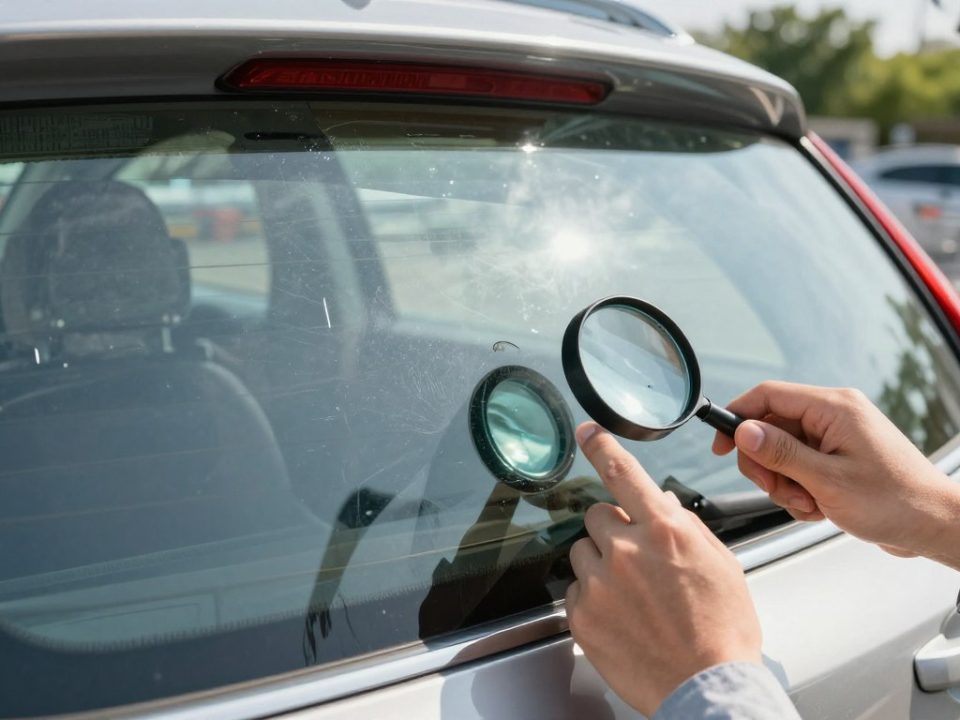
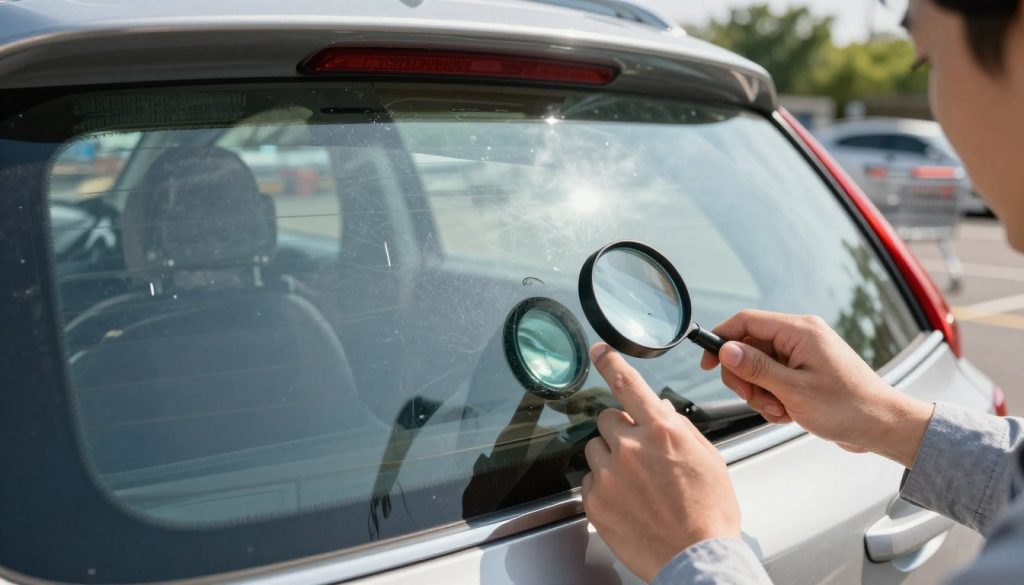
Small chips and cracks create glare, distortion, and blurred areas that reduce clarity. That slows your reaction time and raises the chance of a collision.
Even if you can “see around” a mark, the damaged zone is a weak point. Under stress it can spread and compromise the integrity windshield support during a crash.
Why temperature swings, road vibration, and moisture can turn small damage into a cracked windshield
Glass expands and contracts with heat and cold. Blasting the heater or AC, or sunny afternoons after a cold night, can push a small chip into a long crack.
Daily bumps, potholes, and vibration repeatedly stress the same spot. Moisture can seep into a chip and freeze, expanding the break. These forces work together to worsen damage fast.
- Act early: timely service often prevents larger failures.
- Choose safety-first help: Miracle Auto Glass explains risks and recommends prompt action.
- Protect integrity: fixing small issues preserves structural integrity and can save you money later.
Windshield Repair Myths That Can Put You at Risk
False ideas about auto glass fixes can lead you to unsafe choices and surprise costs.
DIY kits often promise a quick fix, but consumer kits can trap air and debris. That leads to weak bonding and may force a full replacement later. Trust a certified auto glass repair technician for lasting results.
A small chip isn’t harmless. A tiny crack or small crack can spread from temperature swings and road vibration. What doesn’t block your view can still weaken structure and become a larger, more costly problem.
- Not all damage is repairable: edge breaks, long line-of-sight damage, and deep chips usually need full replacement for safety.
- Insurance often helps: many policies cover repairs and may waive your cost — check your insurance and deductible.
- Mobile service is valid: reputable mobile services use the same materials and standards as shop work.
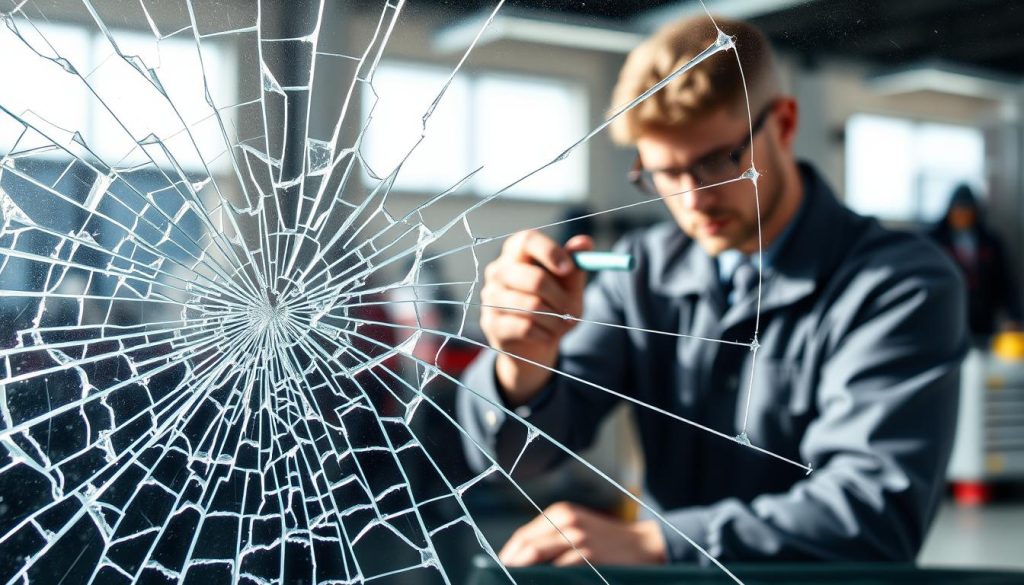
Replacement usually takes about 60–90 minutes, but adhesive needs time to set. Most technicians advise waiting at least one hour before driving and longer in extreme weather to protect the bond and the replacement process.
Choose a trusted provider like Miracle Auto Glass to make sure your repairs and replacements meet safety standards and keep you as the driver safe on the road.
When Windshield Repair Is Enough vs. When You Need Full Replacement
Deciding between a quick fix and full replacement depends on a few clear, measurable factors.
What matters most: size, depth, location, and edge involvement
Use a simple checklist before you call: note the size, how deep the damage is, where it sits on the glass, and whether it reaches the edge.
Small chips smaller than a quarter and away from your line of sight are often repairable. Some modern methods can handle marks up to about a dollar-bill size depending on type and location.
Line-of-sight damage, edge cracks, and long cracks
If the mark sits in your direct view, even a good resin fix can cause slight distortion or glare. In that case, replacement is usually recommended.
Cracks near the perimeter endure more stress and spread faster. Long cracks — commonly those over about six inches — also usually require replacement.
Why delaying makes a repair turn into replacement
Left unchecked, dirt, moisture, and temperature swings let small chips spread. That increases the chance a simple repair becomes a full replacement later.
For a fast, clear recommendation, get a professional evaluation from Miracle Auto Glass. Their team will inspect the damage and explain whether repair or replacement gives the best outcome for your vehicle.
Insurance, Cost, and Time Expectations for Auto Glass Service in the U.S.
Knowing how insurance and timing affect service helps you plan and avoid surprises. Comprehensive coverage often applies to auto glass damage, but your deductible and policy rules decide your out-of-pocket cost.

How coverage and deductibles influence cost
Many policies cover both repairs and replacements under comprehensive claims. Deductibles vary, so a repair may be free while a replacement could trigger your deductible.
Ask your insurer first to learn whether a repair or a full replacement is the cheaper route for your situation.
Realistic timing and safe-drive-away guidance
Most replacements take about 60–90 minutes for the install. Adhesives can need longer to cure; technicians commonly ask you to wait at least one hour before driving.
Avoid car washes and rough roads during the cure period. In some cases adhesives continue to strengthen up to 24 hours.
Why a free quote matters
Costs depend on year, make, model, trim, and features like sensors. Replacements can start near $300 and exceed $3,000 for luxury or advanced systems.
- Get a vehicle-specific free quote to compare repair vs. replacement.
- Use the estimate to check what your insurance will cover and to save time when booking.
- Free quotes reduce surprise charges and help you choose the safest option.
For fast, transparent help, request a free quote from Miracle Auto Glass and get clear guidance on insurance, timing, and the replacement process. You can also learn more with a quick online read at auto glass insurance guidance.
What “Job Done Right” Looks Like in Professional Auto Glass Repair
Quality work follows a clear process that restores clarity and strength, not just looks.
Professional equipment and materials
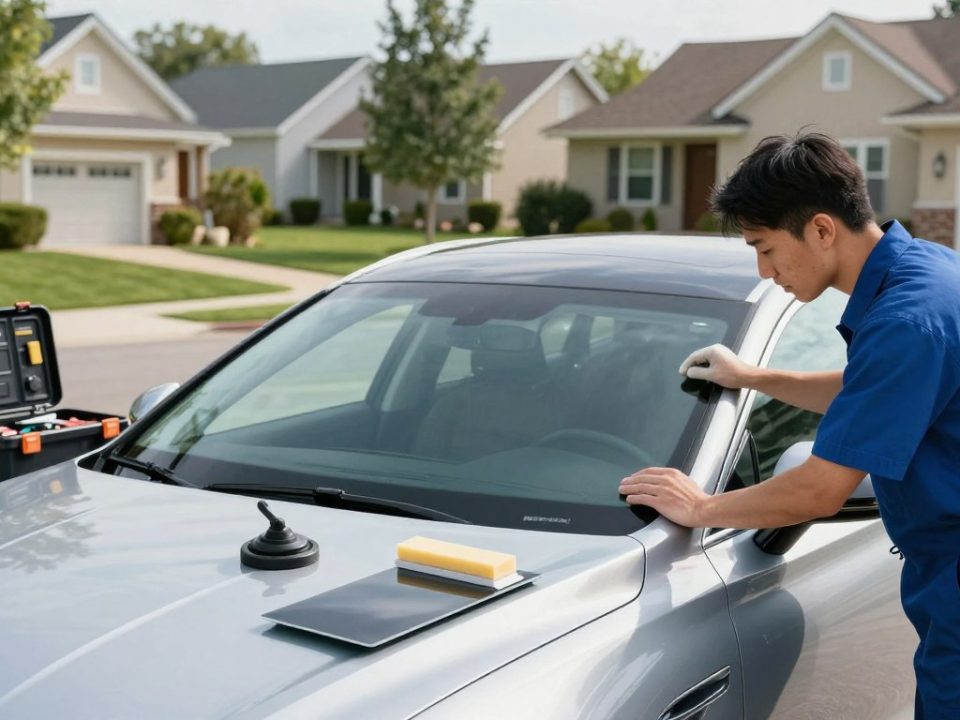
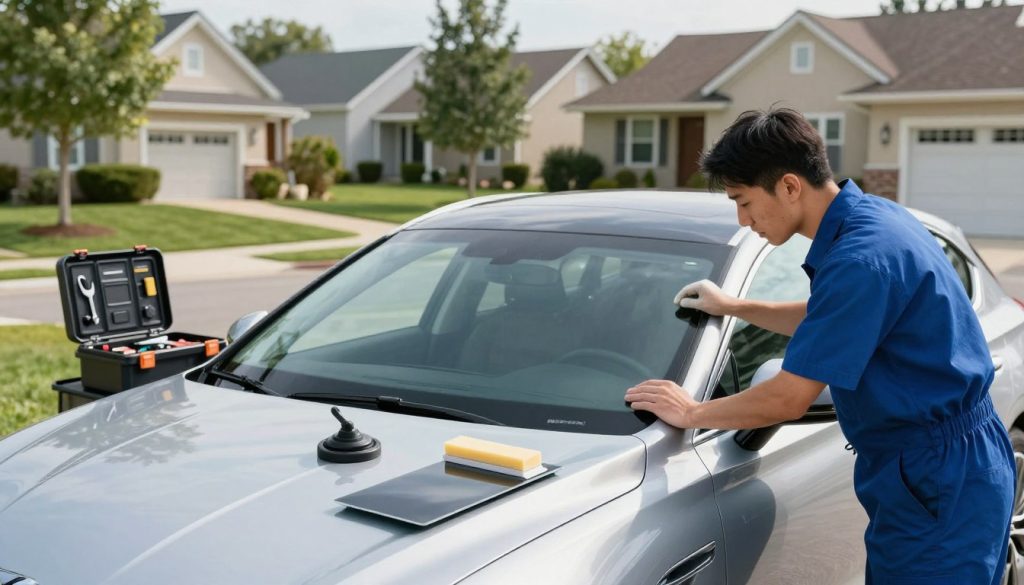
A certified tech inspects the mark, removes debris, and measures depth. Then they use controlled resin injection and UV curing to harden the fill.
Professional-grade resin is engineered to bond with the glass and reinforce the area once cured. That is why proper equipment and OEM-grade adhesives matter for a lasting result.
Safety standards that matter
Correct installation prevents leaks, wind noise, and water intrusion that cause corrosion. Technicians verify seal strength to meet safety standards and reduce the chance of weakened crash performance.
For full replacement, expect correct glass selection, precise alignment, and verified bonding. Modern vehicles may need ADAS recalibration so your safety systems work as intended.
Long-term value and choosing the right team
A quality fix or replacement keeps your vehicle safe and protects resale value. Poor work can lead to future repairs and lower trade-in value.
Choose Miracle Auto Glass for trained technicians, the right equipment, and a safety-first process that delivers a true job done right.
Conclusion
The safest choice is prompt assessment; small marks rarely stay small under daily stress.
Common windshield repair myths often lead you to delay action or pick shortcuts that compromise safety. Take minor damage seriously—temperature swings, road vibration, and moisture make it spread fast.
For most small, center-line marks, a proper fix restores strength and clarity. But line-of-sight, edge, and long cracks usually need full replacement to meet safety standards.
Insurance and timing are usually manageable when you check coverage and respect curing times. For confident, certified service, hire Miracle Auto Glass to inspect and fix your windshield so you can get back on the road safely and correctly.